Why Booking a Hotel Near Badrinath Temple Is a Smart Choice

Why Booking a Hotel Near Badrinath Temple Is a Smart Choice
Table of Contents
- Why Badrinath Is the Pilgrimage That Rewards Proper Planning
- What the Char Dham Journey Actually Involves
- Hotels in Badrinath: Why Location Shapes the Entire Experience
- What to Look for in Hotels near Badrinath Temple
- What to Do in Badrinath Beyond the Darshan
- ECKO Premier New Yoga
- FAQs
Why Badrinath Is the Pilgrimage That Rewards Proper Planning
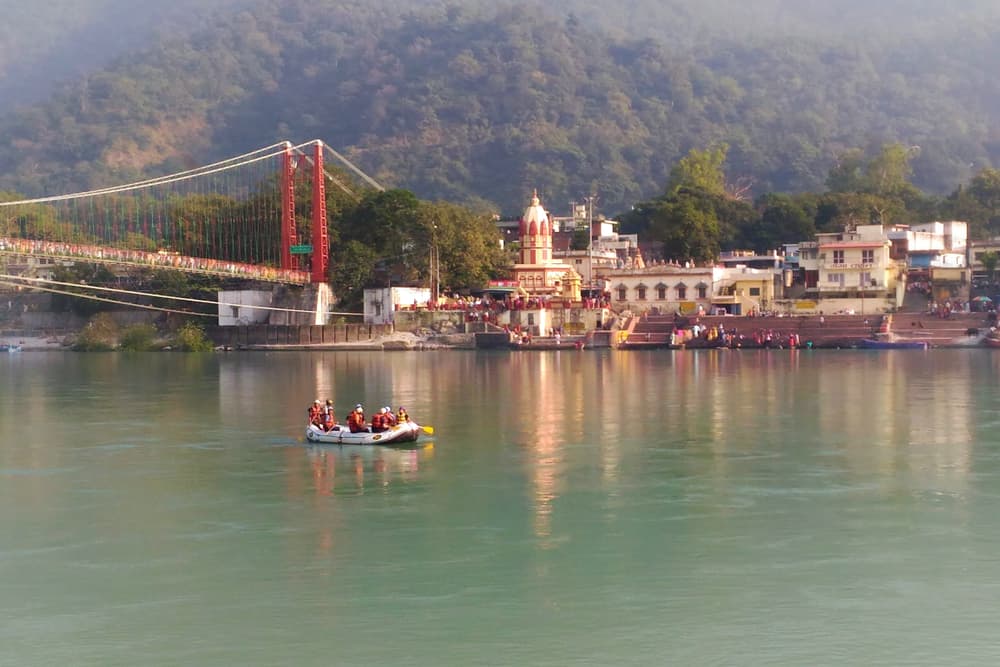
Badrinath sits at 3,100 metres in the Chamoli district of Uttarakhand, the Alaknanda River running alongside it, the Neelkanth Peak visible above the town. It's one of the four sacred sites of the Char Dham Yatra, the pilgrimage circuit that Adi Shankaracharya established in the 8th century and that millions of Hindus complete either as a lifetime aspiration or a returning devotion. The pilgrimage season runs from May through November, with the temple gates closing for the winter when the snow arrives and the town empties entirely.
The pilgrims who arrive prepared, with accommodation sorted, the darshan timing planned, the altitude adjustment factored in, have a completely different Badrinath from the ones who arrive hoping for the best. At 3,100 metres, altitude is the first variable that the planning should account for. The hotel near the temple is the second.
What the Char Dham Journey Actually Involves
The Char Dham, Yamunotri, Gangotri, Kedarnath, Badrinath, is typically completed in a specific sequence moving west to east across the Garhwal Himalayas. Badrinath is the final and the most accessible of the four, the road from Rishikesh through Joshimath reaching the town without the additional trek that Kedarnath requires.
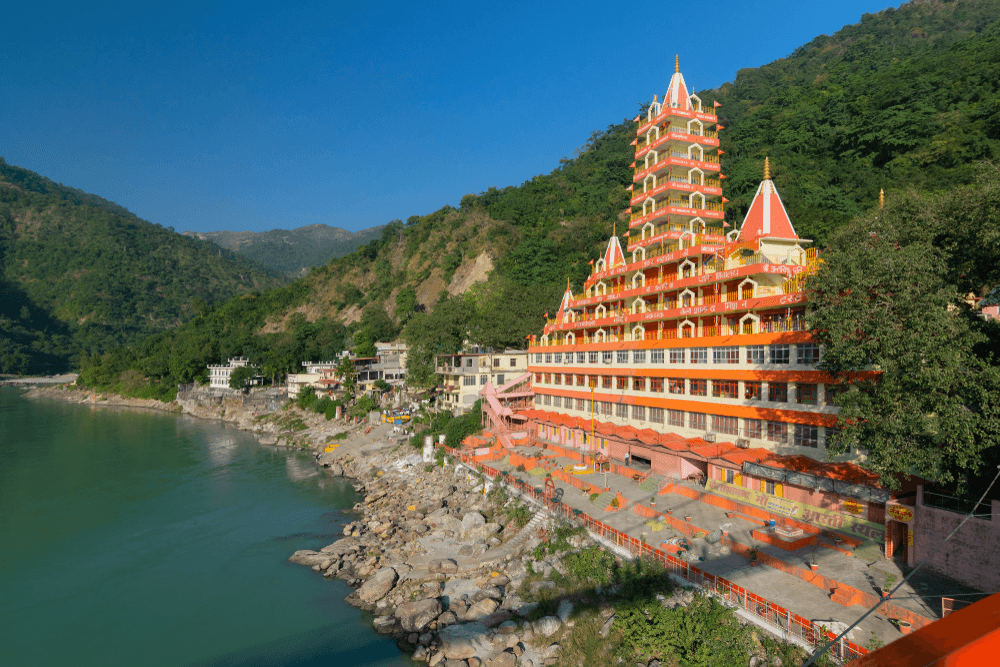
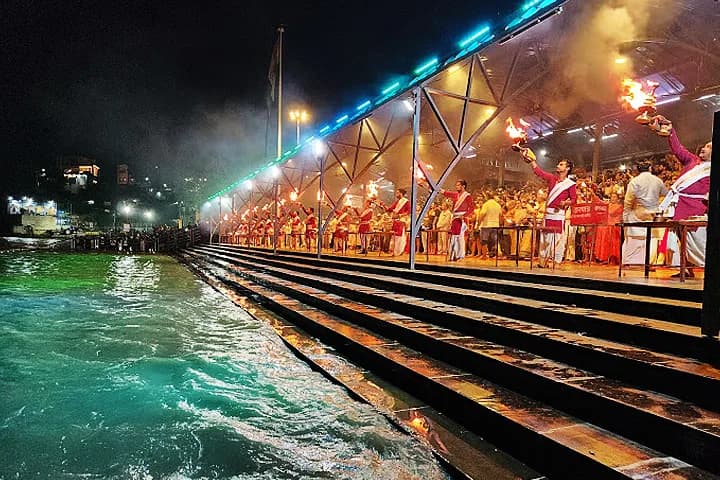
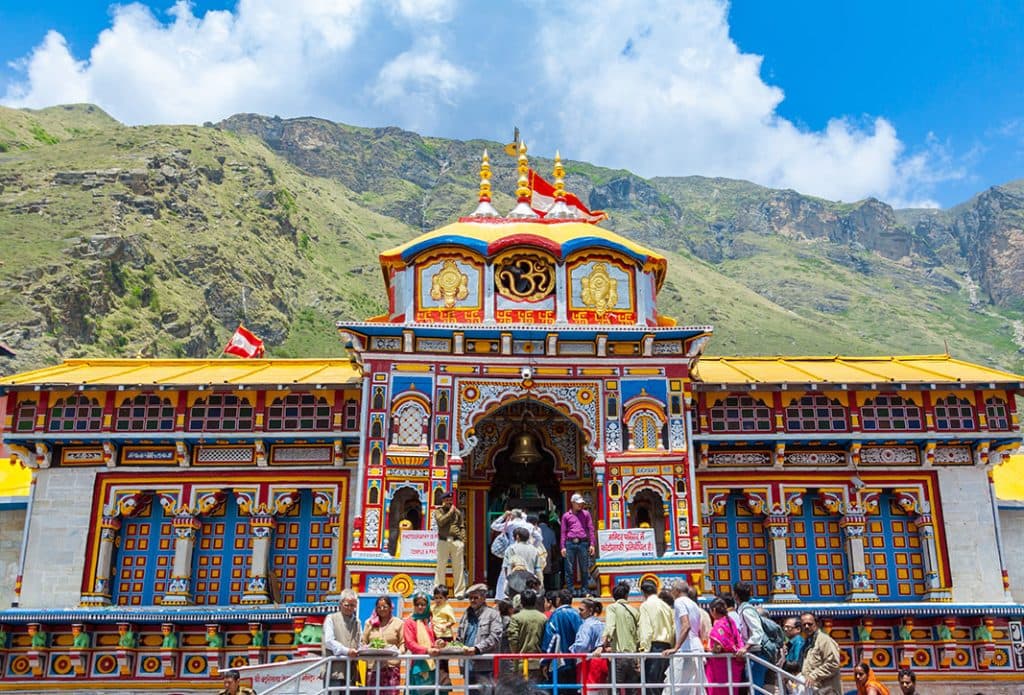
The Badrinath Temple itself, the Badrinarayan Temple dedicated to Vishnu, is the ancient stone shrine whose history predates its formal establishment and whose position at the confluence of the Rishiganga and Alaknanda rivers gives it the specific sacred geography that the Char Dham tradition is built around. The darshan happens at specific hours and the early morning queue, the Abhishek puja between 4:30 am and 6 am, is the version that the serious pilgrim comes specifically for.
Hotels in Badrinath: Why Location Shapes the Entire Experience
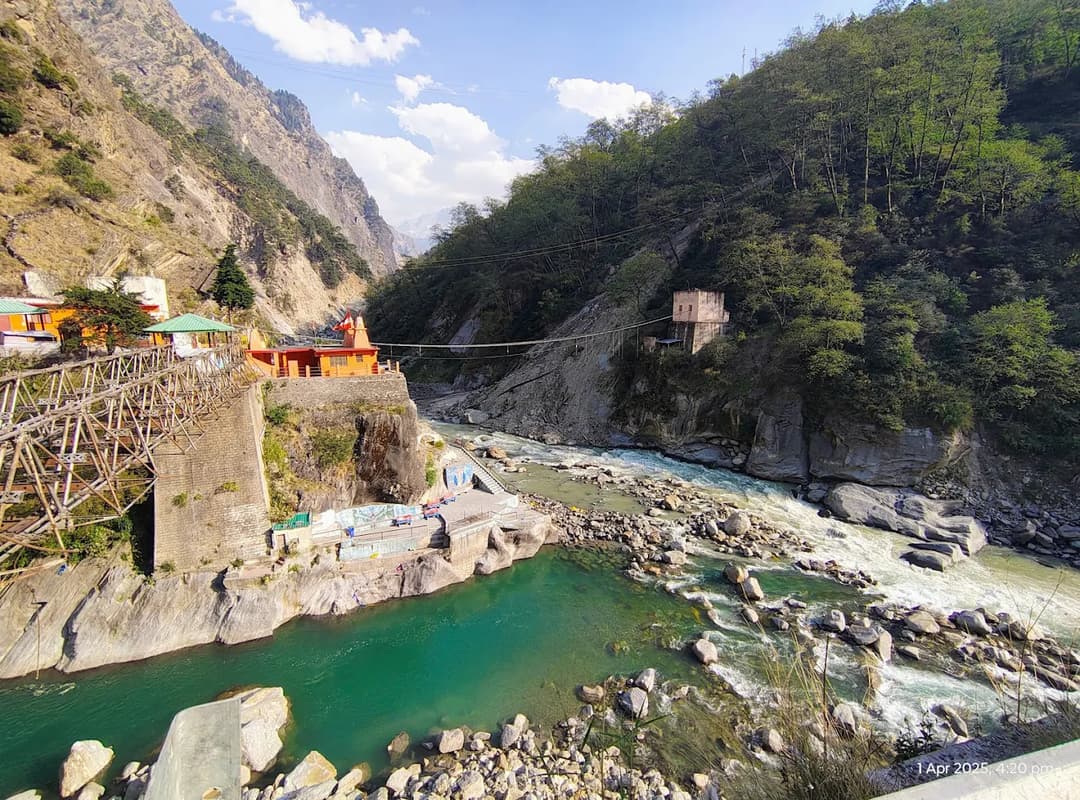
The Badrinath temple and the town exist in a narrow valley. The Alaknanda runs through it, the mountains on both sides give the settlement its compressed and specific character.Hotels in Badrinath within walking distance of the temple give the pilgrimage visit a freedom that the hotel further out doesn't, the early morning darshan without a pre-dawn cab, the return from the evening aarti on foot, the spontaneous second visit in the afternoon when the queue has shortened.
At altitude, the logistics matter specifically. The pilgrim who is conserving energy for the darshan itself doesn't want to add a taxi journey at 4 am to the equation.Hotels in Badrinath close to the temple entrance remove this variable without requiring any additional planning.
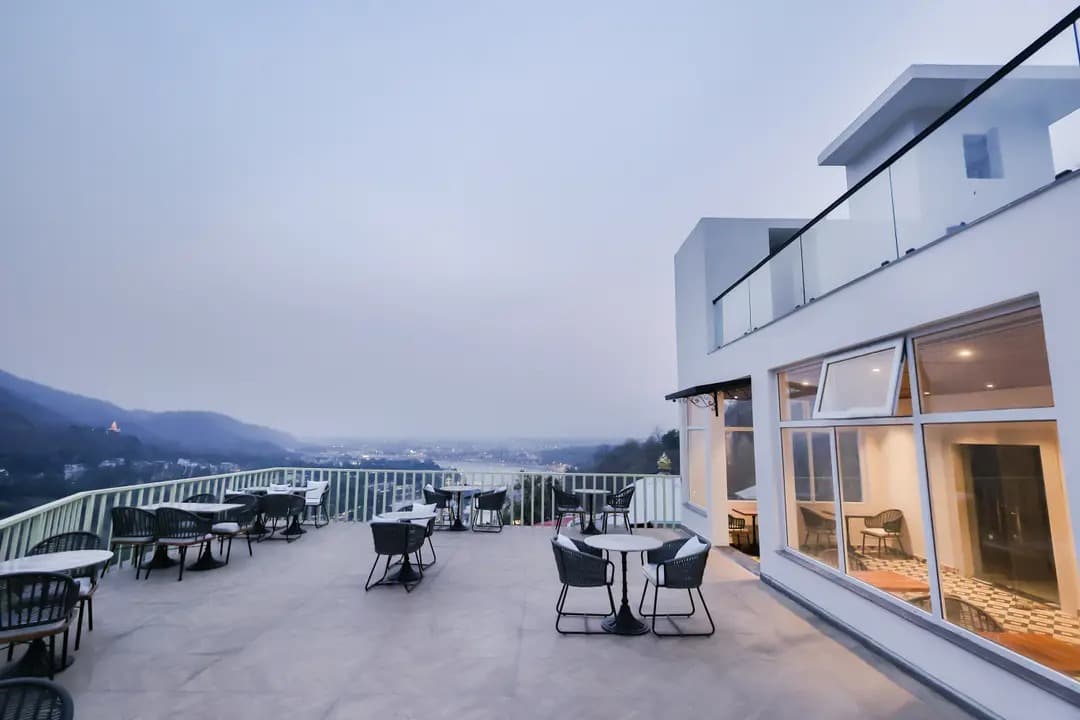
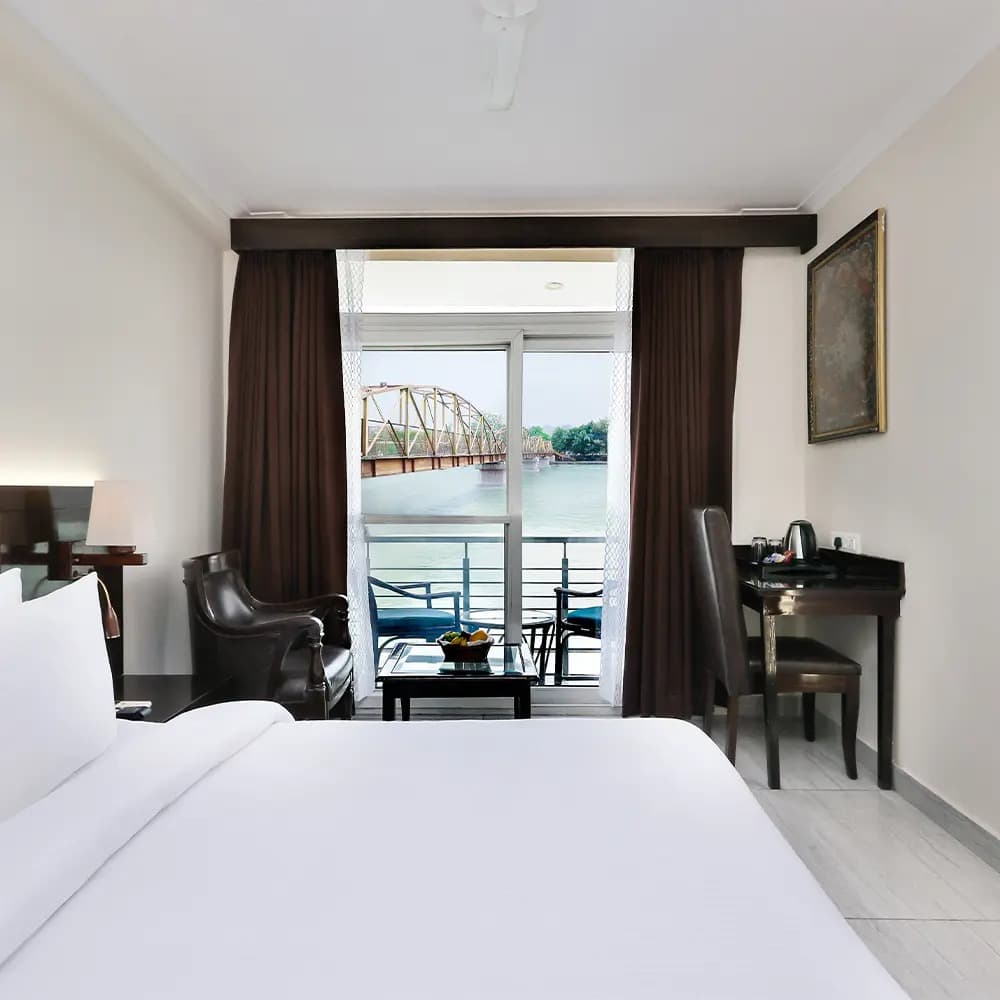
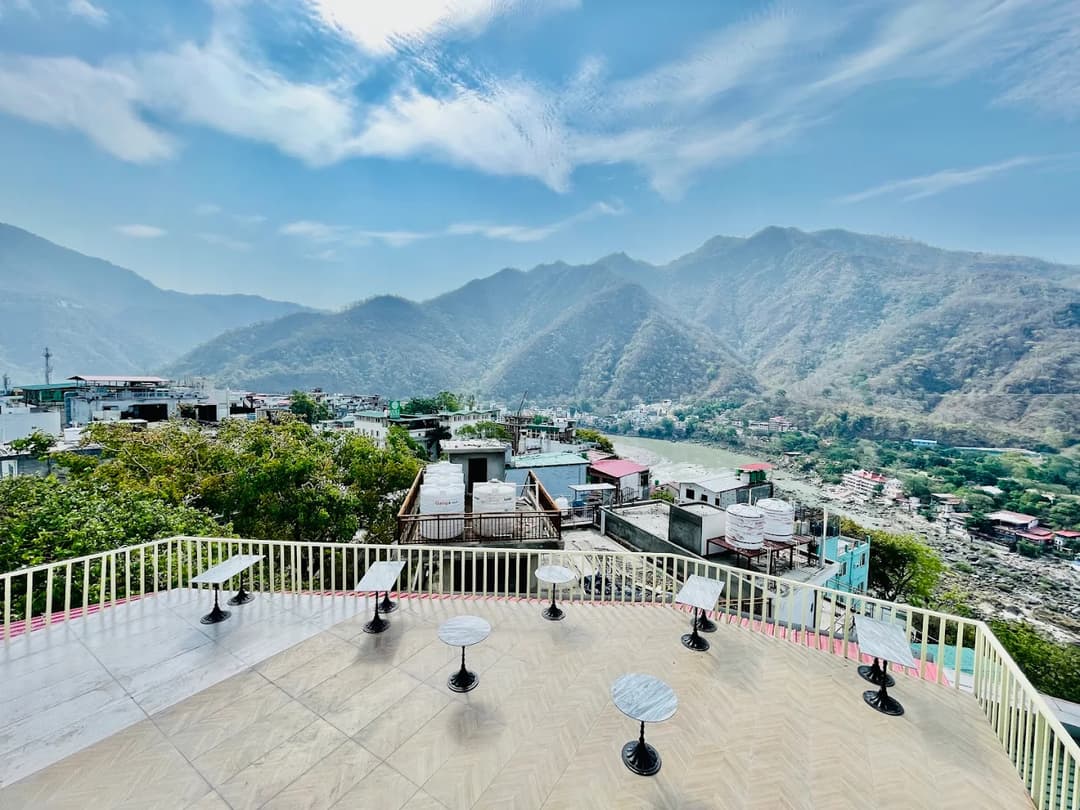
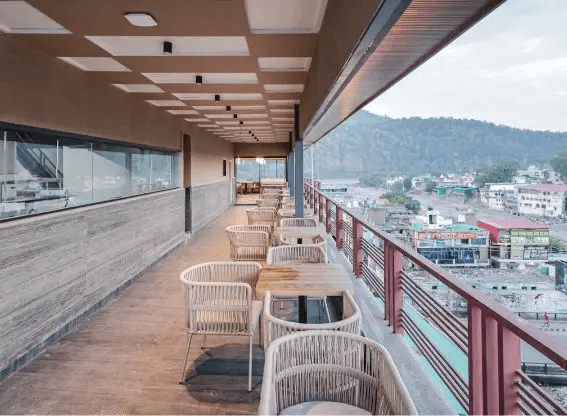
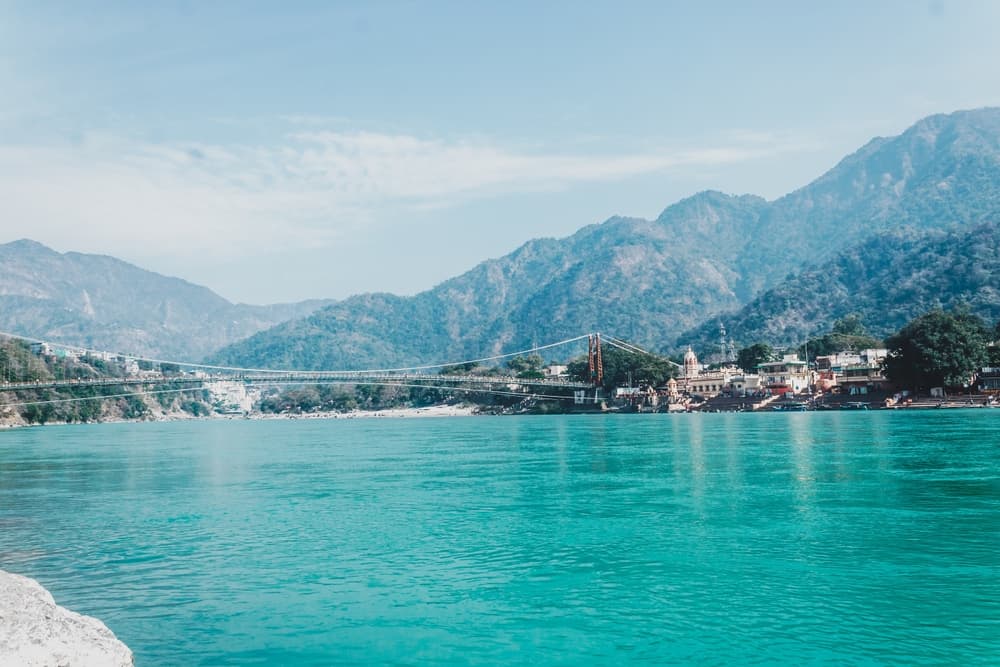
The Alaknanda River views that the better-positioned stays in Badrinath carry are the specific visual quality of the Badrinath stay, the mountains, the river, the temple visible across the water. These are the rooms worth choosing over the ones facing the town's service infrastructure.
What to Look for in Hotels near Badrinath Temple
Altitude acclimatisation support. Hotels near Badrinath Temple worth staying in have staff who understand altitude sickness, oxygen provision if needed, and the guidance about activity levels that the first-time high-altitude pilgrim specifically needs. Ask about this before booking.
Hot water at the right hours. The Badrinath morning starts before 5 am for the Abhishek puja. Hot water at 4:30 am is not a luxury at 3,100 metres in a Himalayan valley, it's the specific facility that makes the morning manageable rather than brutal.
Vegetarian kitchen as standard. The Badrinath pilgrimage is observed vegetarian and thehotels in Badrinaththat treat this as the primary menu rather than the accommodation are the ones built for this destination.
What to Do in Badrinath Beyond the Darshan
- The Mana Village, 3 kilometres from Badrinath, the last inhabited village before the Tibet border, the cave where Vyas Muni is said to have dictated the Mahabharata to Ganesh, the Bhim Pul natural rock bridge over the Saraswati River. The specific Badrinath experience that extends the pilgrimage into the surrounding landscape.
- The Tapt Kund, the natural hot spring adjacent to the temple where pilgrims bathe before the darshan. The Brahma Kapal ghat on the Alaknanda where the pind daan ritual for ancestors is performed.
- The Vasudhara Falls, 5 kilometres from Badrinath, the 145-metre waterfall that is said to fall only on those who are pure of heart, the specific Badrinath day-excursion that the physical conditions of the high-altitude walk reward with a specific Himalayan experience.
ECKO Premier New Yoga, Badrinath
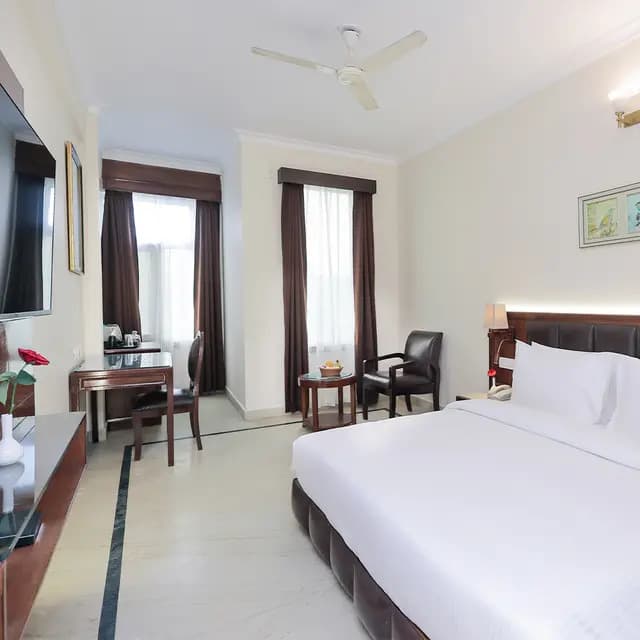
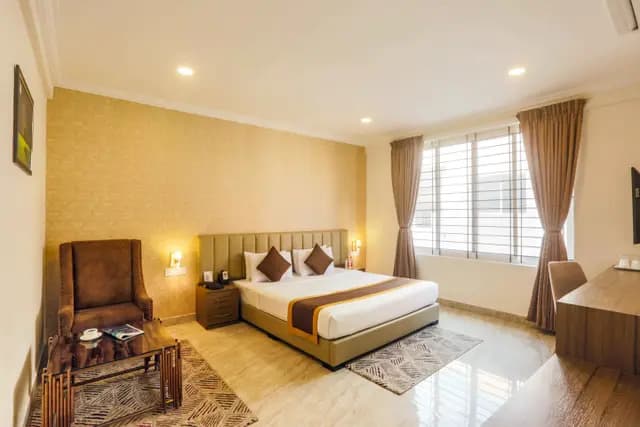
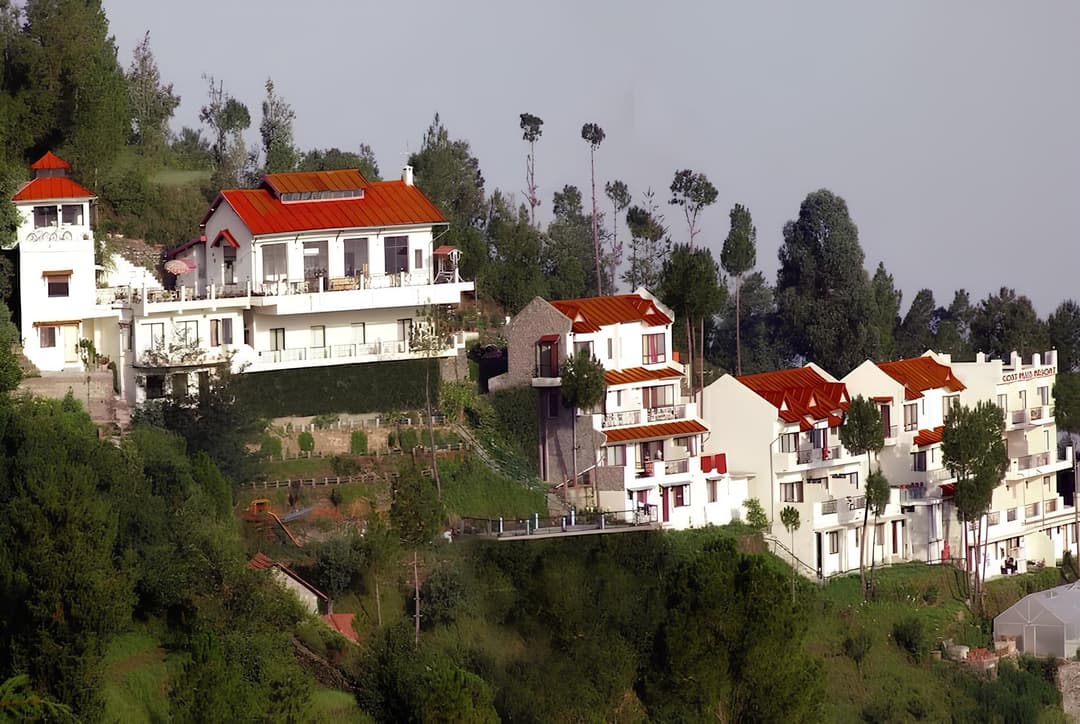
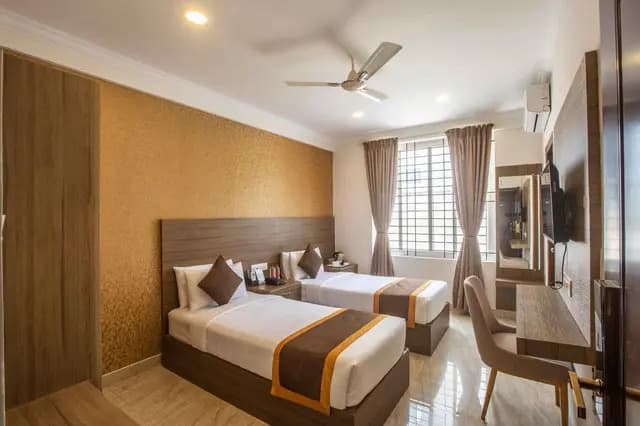
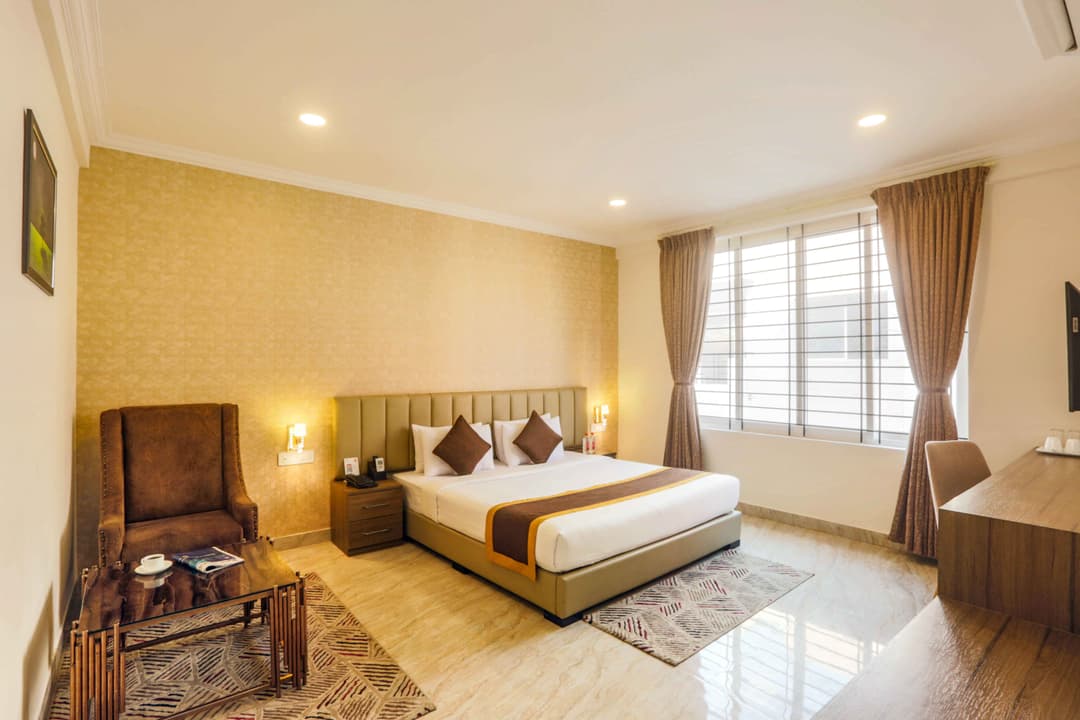
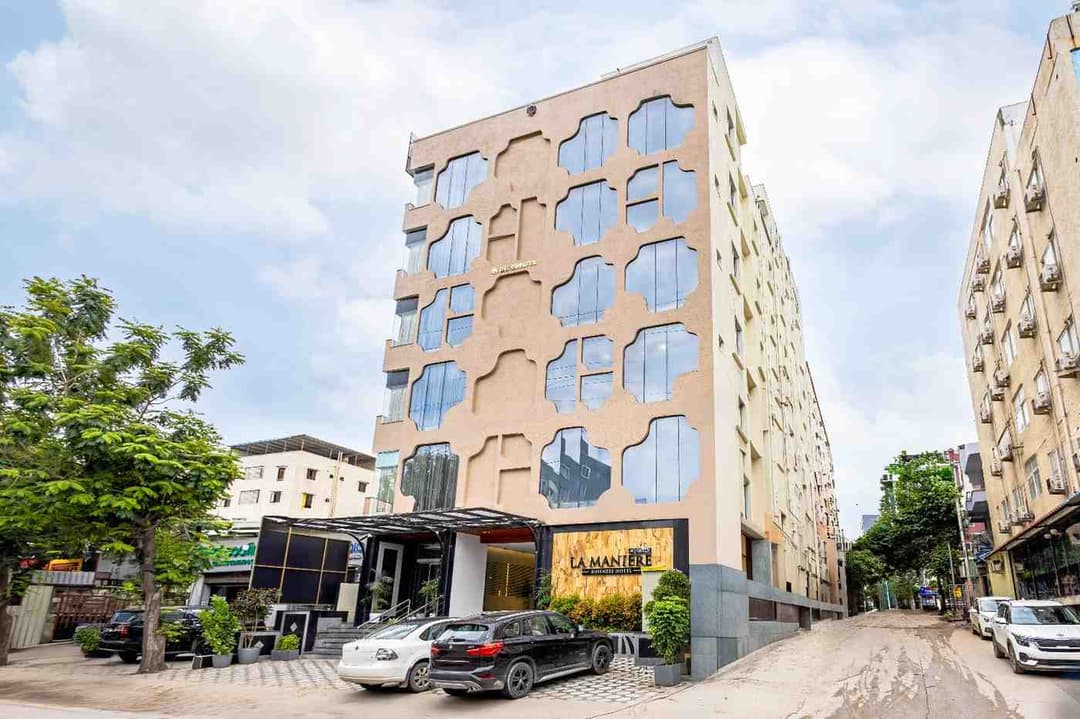
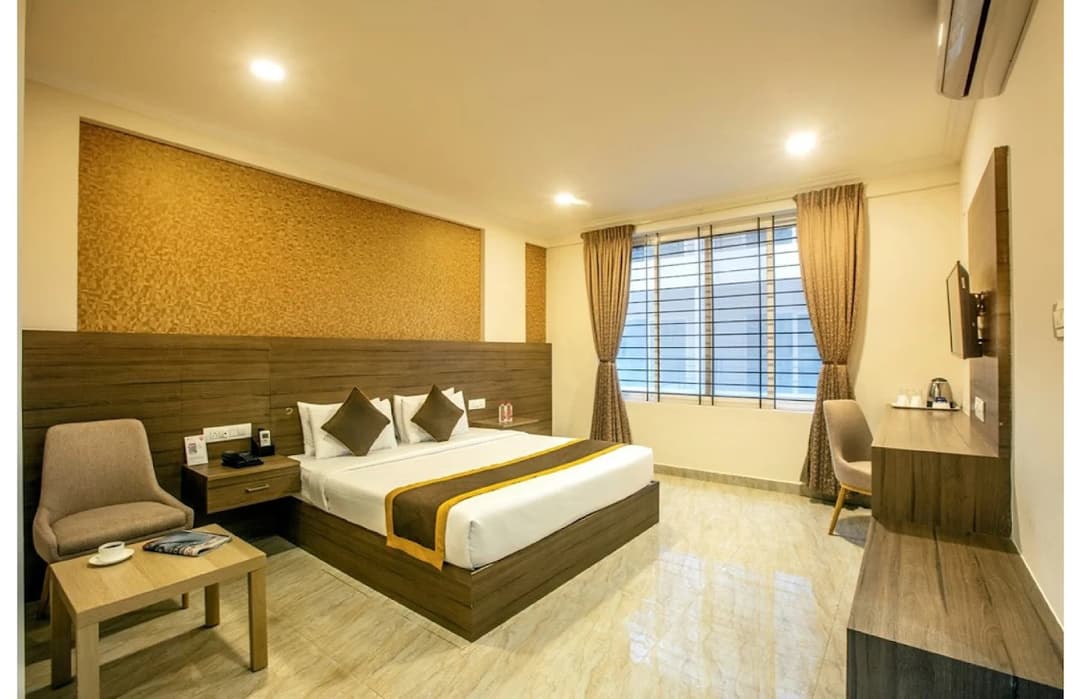
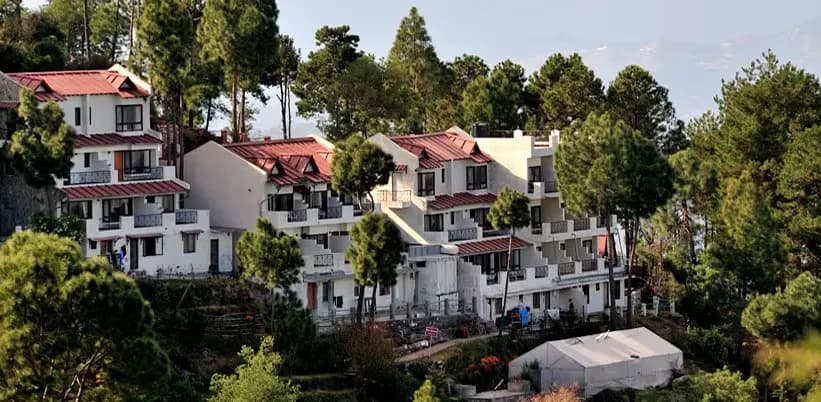
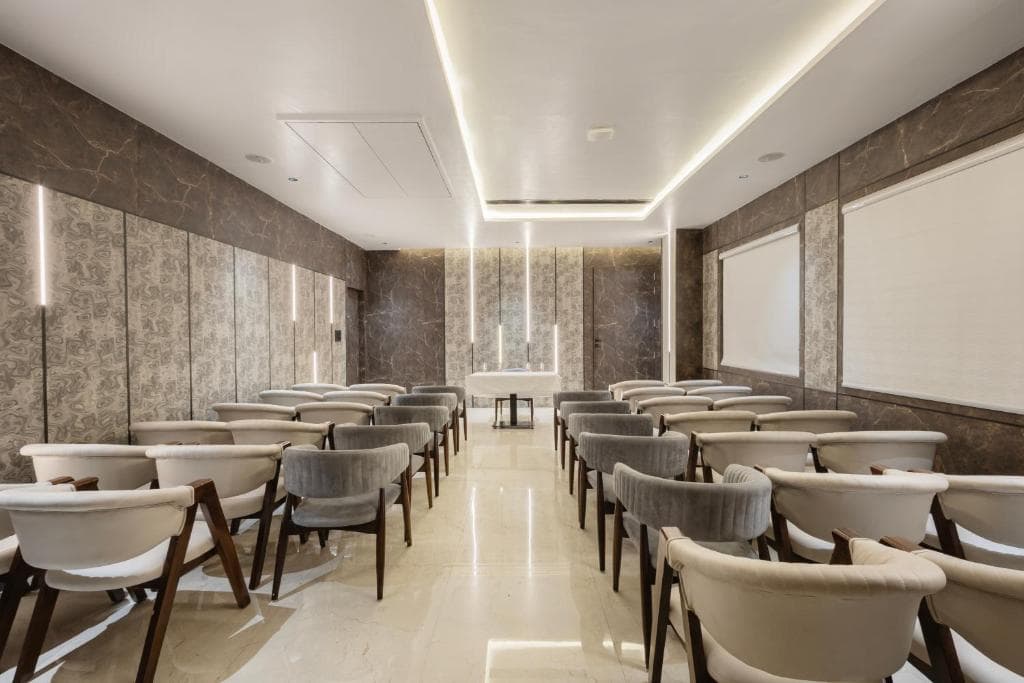
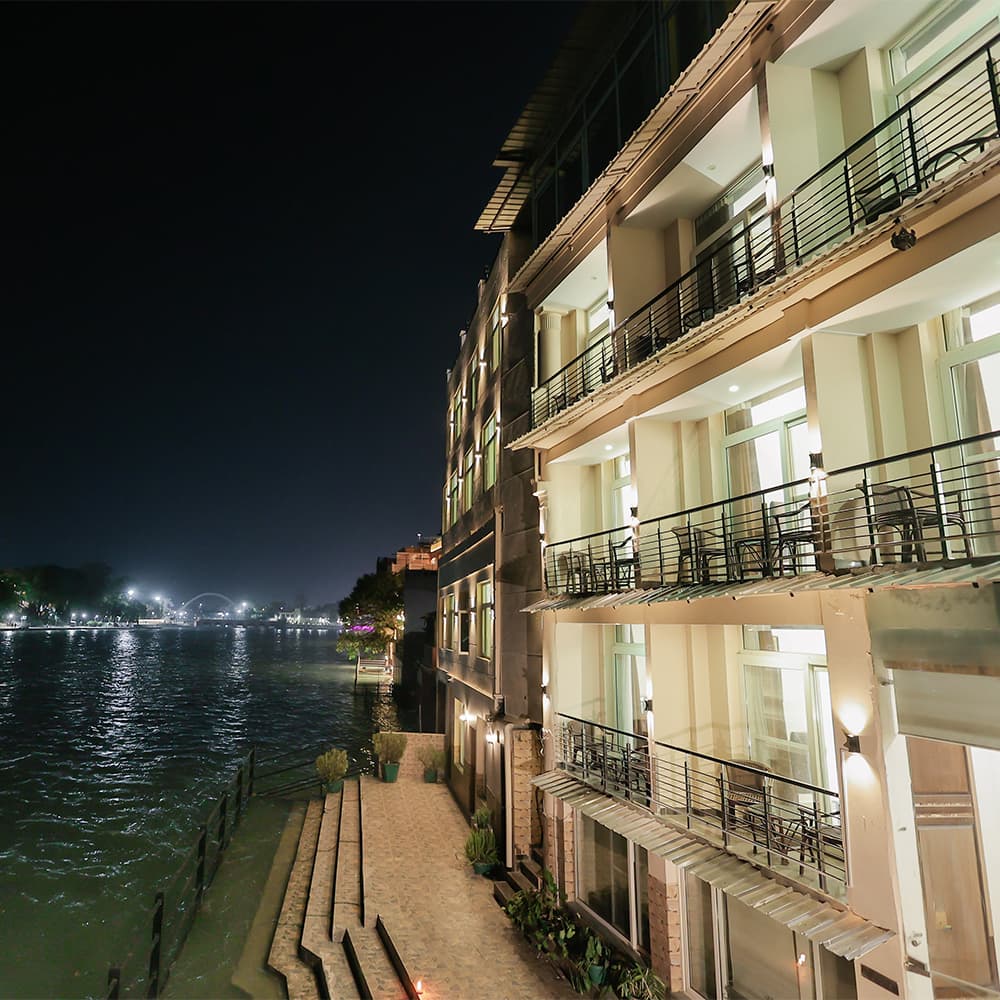
Forhotels in Badrinath that put you close to the temple, handle the altitude and the early morning requirements, and deliver a stay that supports the pilgrimage rather than adding to what the journey already demands, ECKO Premier New Yoga is genuinely worth getting excited about.Hotels near Badrinath Templeat the standard the Char Dham pilgrimage deserves, the Alaknanda views, the temple proximity, the vegetarian kitchen, the hot water at pilgrimage hours, and the specific warmth of a Badrinath hotel that understands why you came.
FAQs
1. When is the Badrinath Temple open for the pilgrimage season?
The temple opens in late April or early May, the exact date is determined by the priests based on the Hindu calendar, and closes in November, typically around Diwali or shortly after. The opening ceremony is known as the Kapat Utsav. Check the specific dates for the year you're planning before bookinghotels in Badrinath.
2. What is the Abhishek puja at Badrinath and why is it significant?
The Abhishek puja is the early morning ritual bathing of the deity, performed between approximately 4:30 am and 6 am. It is the most sacred darshan of the day and the version that most serious pilgrims come specifically to attend.Hotels near Badrinath Temple within walking distance make the 4 am departure manageable.
3. How do I get to Badrinath?
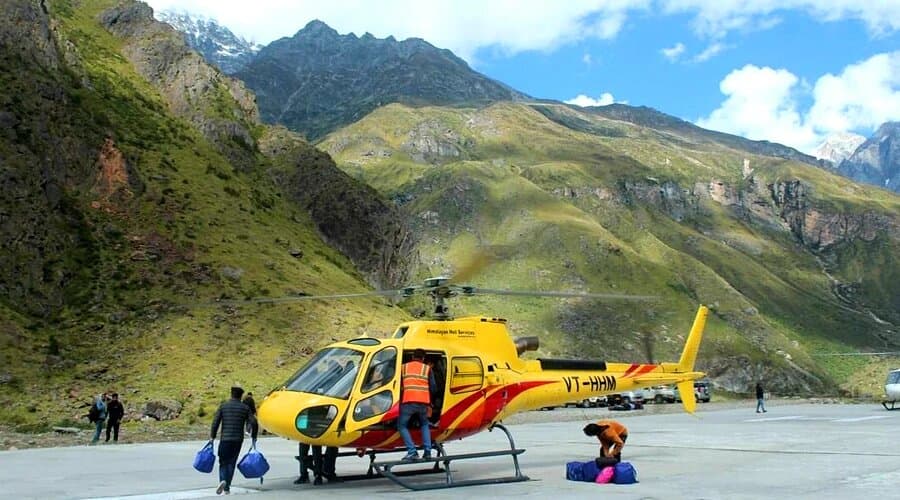
The standard route is by road from Rishikesh through Devprayag, Rudraprayag, Joshimath, and then Badrinath, approximately 290 kilometres from Rishikesh, 9 to 10 hours by road. Helicopter services from Dehradun and Haridwar are available during the season. The road from Joshimath to Badrinath is a single-lane mountain road and travel time varies significantly with weather and traffic.
4. Is altitude sickness a concern in Badrinath?
Yes. At 3,100 metres, altitude sickness is a genuine consideration especially for the pilgrim coming directly from the plains without acclimatisation time. The standard advice is to spend a night in Joshimath at 1,890 metres before ascending to Badrinath. Hotels in Badrinath that have oxygen provision and staff trained in altitude sickness recognition are worth specifically choosing.
5. What should I pack for the Badrinath pilgrimage?
Warm layers, Badrinath evenings and early mornings are cold even in July. Waterproof outer layer for the afternoon rain that the Himalayan monsoon produces between June and September. Comfortable walking shoes for the Mana Village excursion and the Vasudhara Falls trail. Any personal medication, and ideally Diamox for altitude sickness prevention if you're prone to it. The temple requires head covering inside, a scarf or dupatta.