Riverside hotels in Rishikesh
Riverside hotels in Rishikesh
The Ganga Doesn't Wait for Check-in Time. Find a Hotel That Understands That.
Rishikesh works on the river's schedule. The aarti at Triveni Ghat starts at dusk whether the hotel is ready or not. The rafting launch point fills up by 8am. The yoga centres begin before most city people consider consciousness. The traveller who books accommodation without thinking about the Ganga's proximity discovers this on the first morning when the walk to the river takes twenty minutes instead of two, and the entire day's rhythm shifts accordingly.
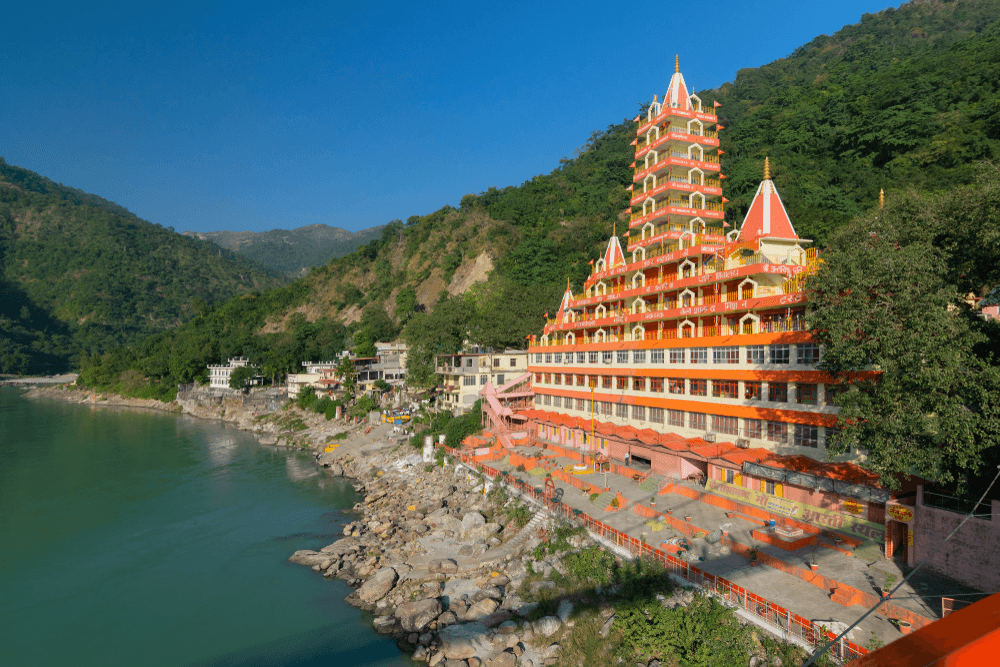
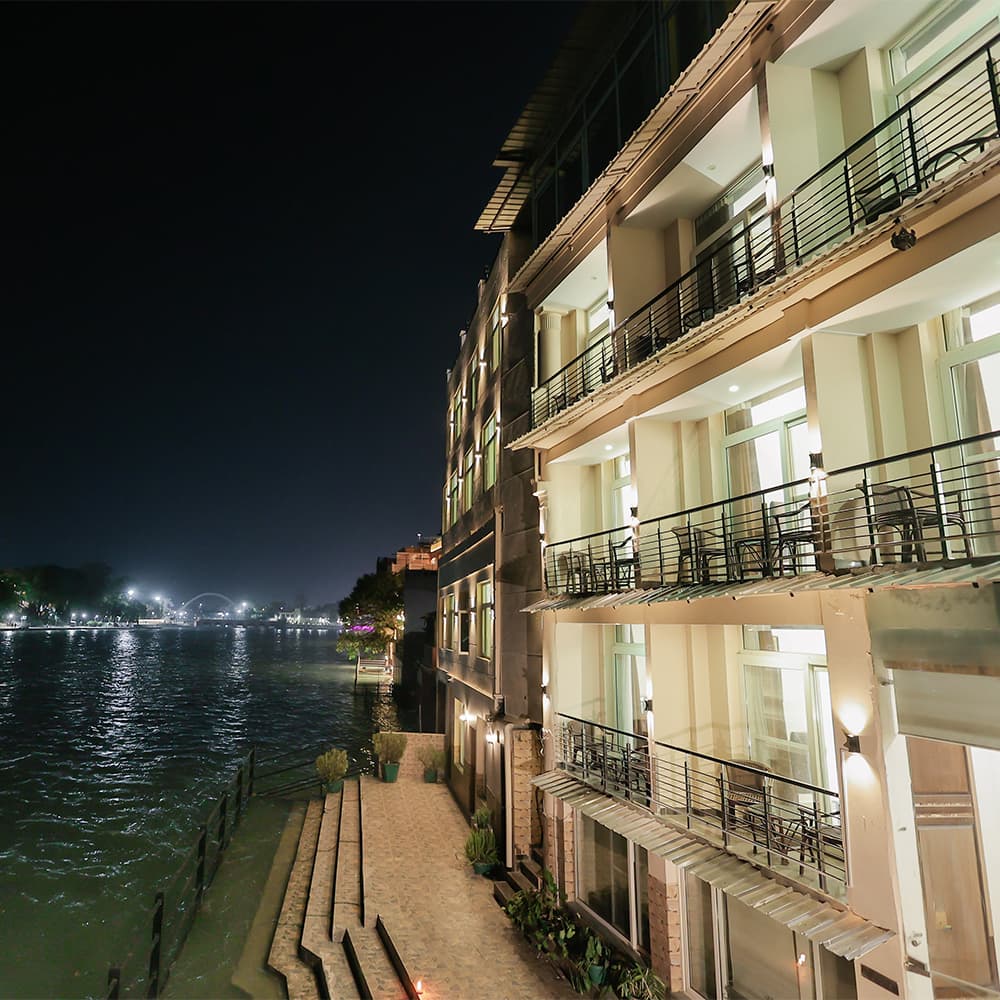
Riverside hotels in Rishikesh aren't just about the view. They're about the access, waking up close enough to the water that the morning aarti sounds arrive before the alarm does, stepping out to the ghat before the tourist footfall builds, returning to the room between activities without the city traffic eating into the time between them.
The Ganga defines Rishikesh more completely than any other element of the city. The accommodation that acknowledges this proximity rather than treating the river as a marketing photograph gets the stay right in a way that properties further from the water simply don't.
Why Location Matters More in Rishikesh Than Most Places
The city is small. That sounds like it should reduce the location question's importance. It does the opposite.
Rishikesh compresses a significant amount into a small geography, the ghats, the suspension bridges, the ashrams, the yoga centres, the cafés, the rafting operators, the temples. They're all close to each other. But close in Rishikesh terms still involves roads that narrow unexpectedly, traffic that doesn't move predictably, and distances that feel further when the day has been physically demanding and the hotel is a twenty-minute walk from wherever the evening aarti just ended.
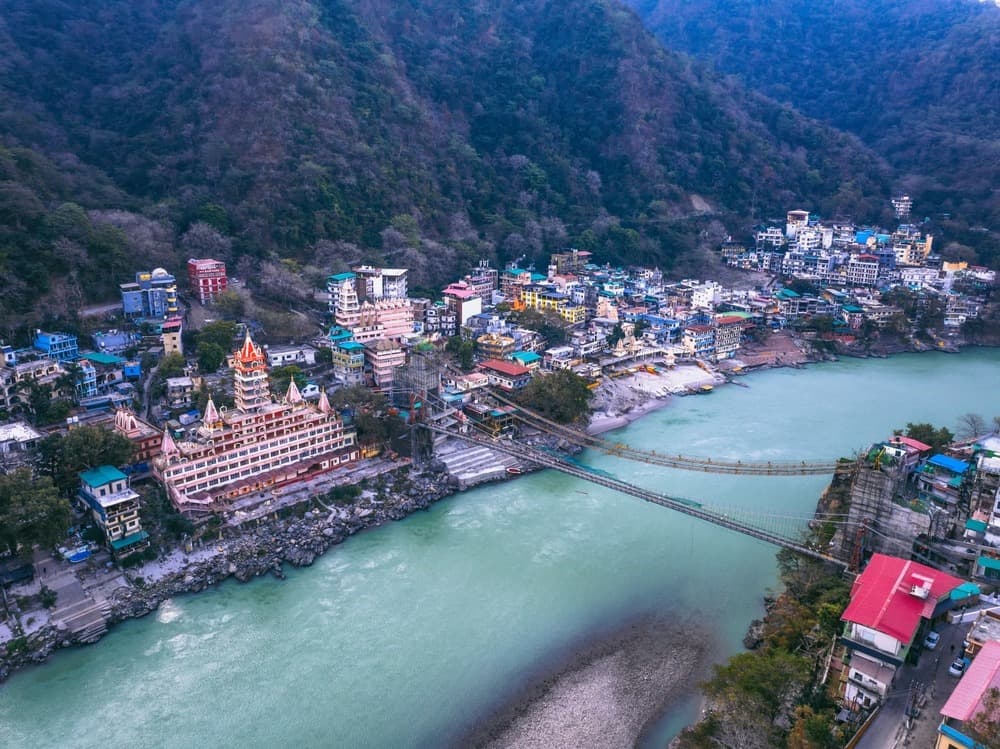
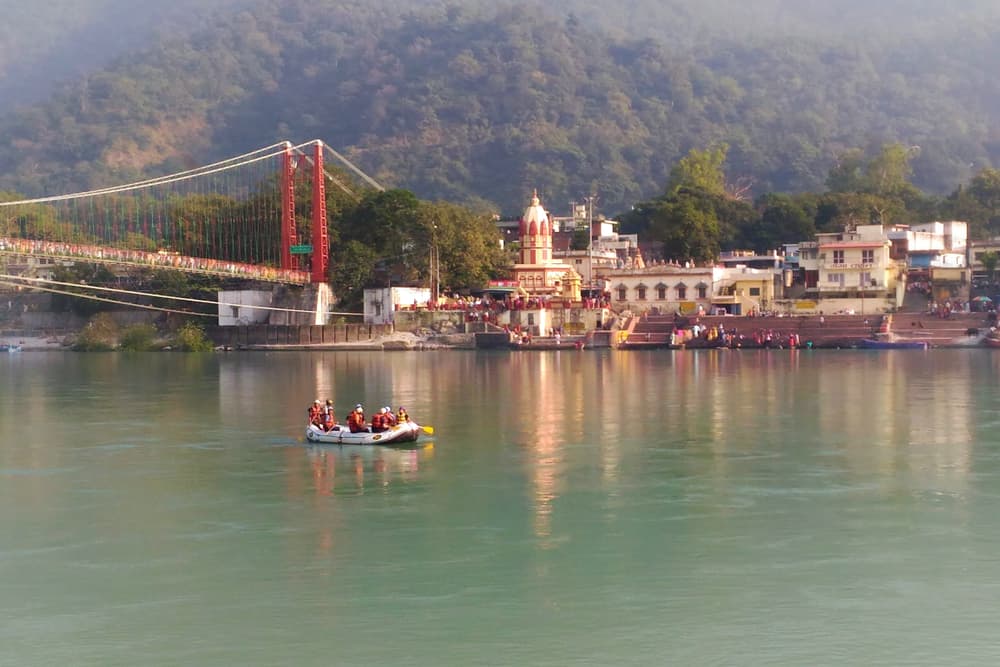
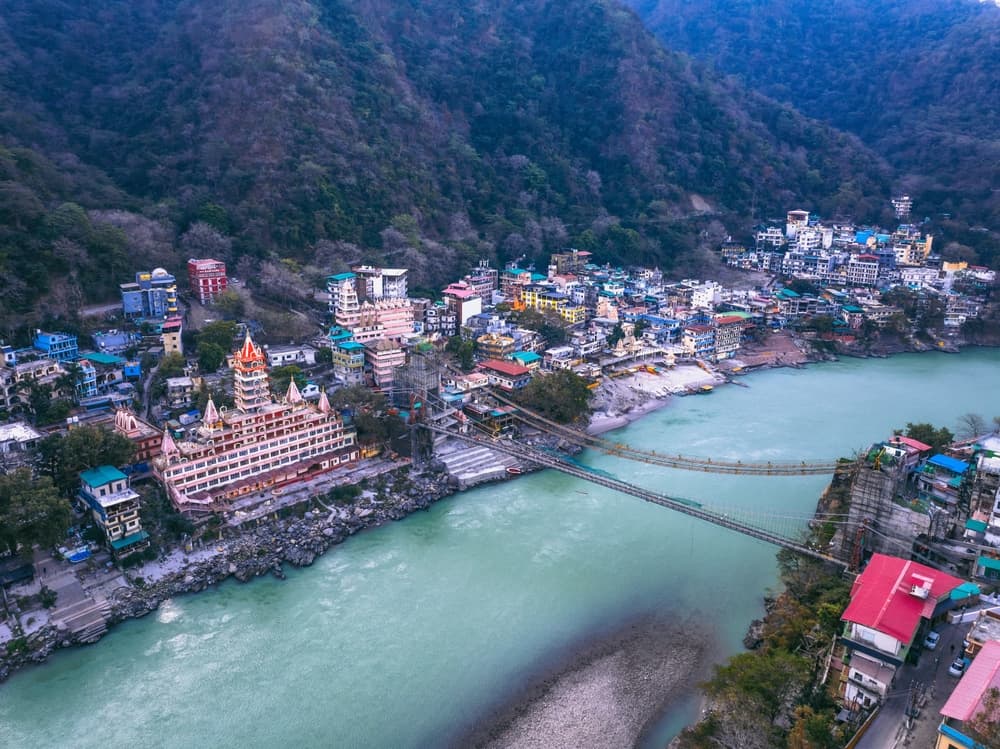
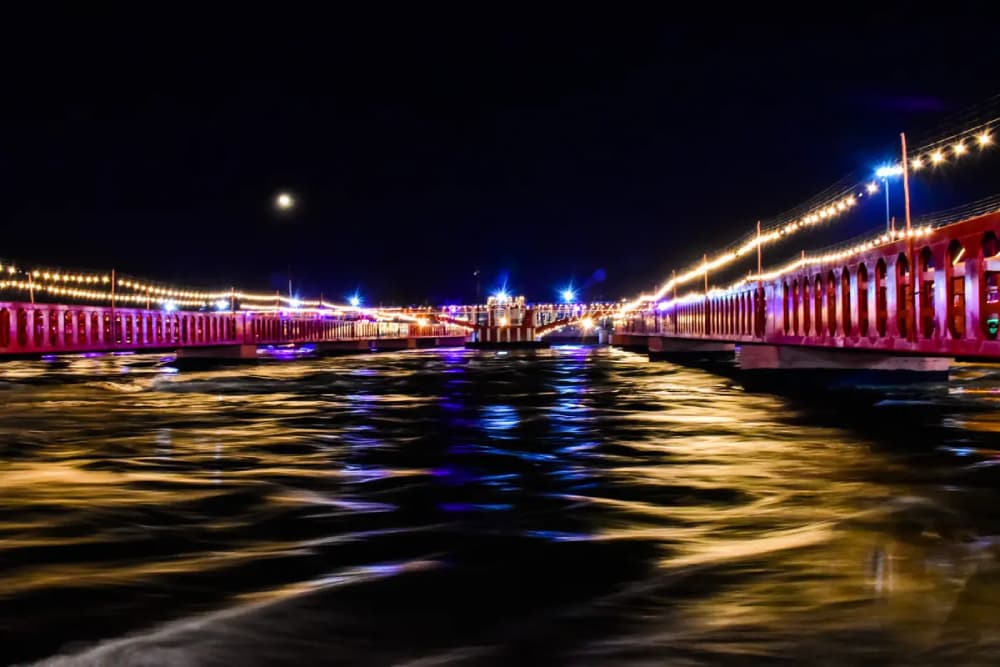
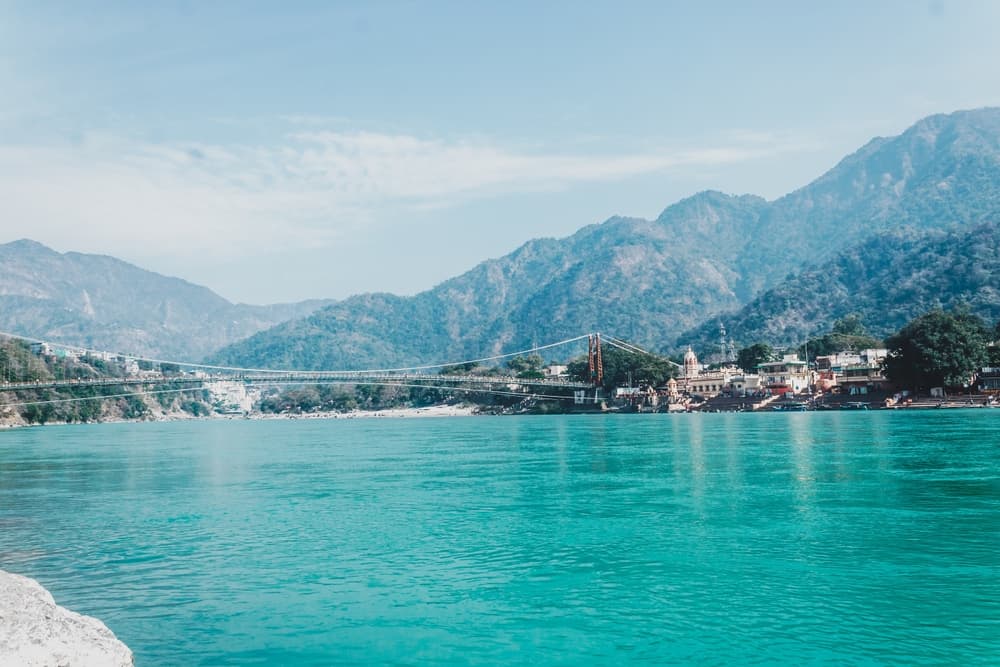
Riverside hotels in Rishikesh in the Laxman Jhula zone put the traveller inside the geography rather than adjacent to it. The bridges, the ghats, the Ganga, these become the walk outside the hotel door rather than the destination requiring transit.
The Laxman Jhula area specifically carries the character that most Rishikesh visitors are looking for, the cafés on the lanes above the river, the ashrams within walking distance, the specific atmosphere of a neighbourhood that has been absorbing pilgrims, yogis, and travellers simultaneously for long enough that the combination feels completely natural.
The Rishikesh Stay, What the River Actually Gives
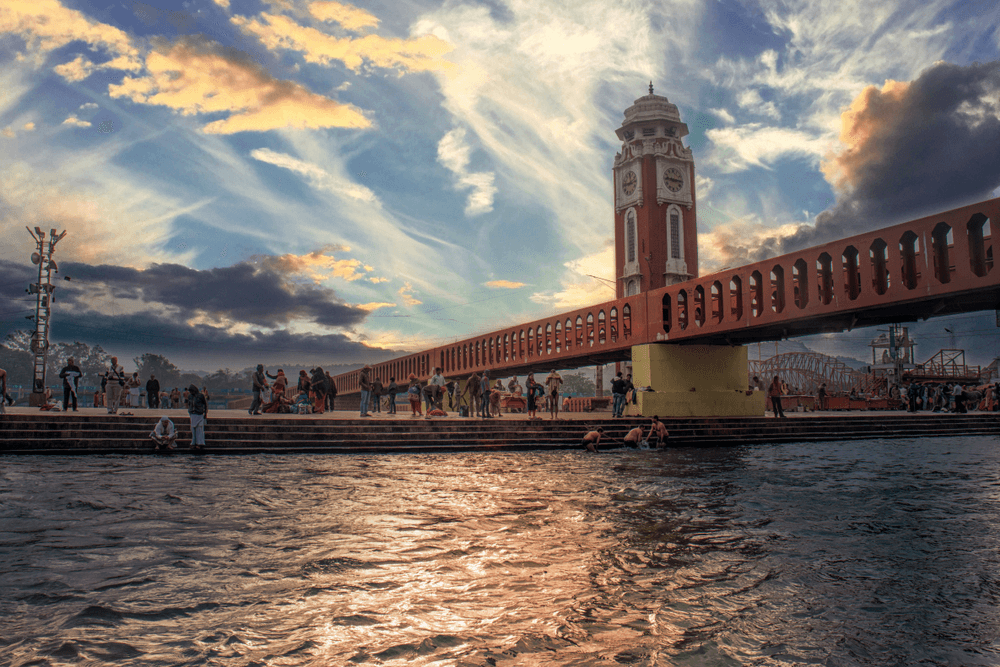
The Ganga at Rishikesh is a different river from the Ganga downstream. The water is clear, fast, cold from the Himalayan snowmelt that feeds it. The colour is genuinely green-blue in a way that visitors from the plains find surprising. The sound of it is constant, not the background hum of a city but moving water over rocks, audible from the ghats at any hour.
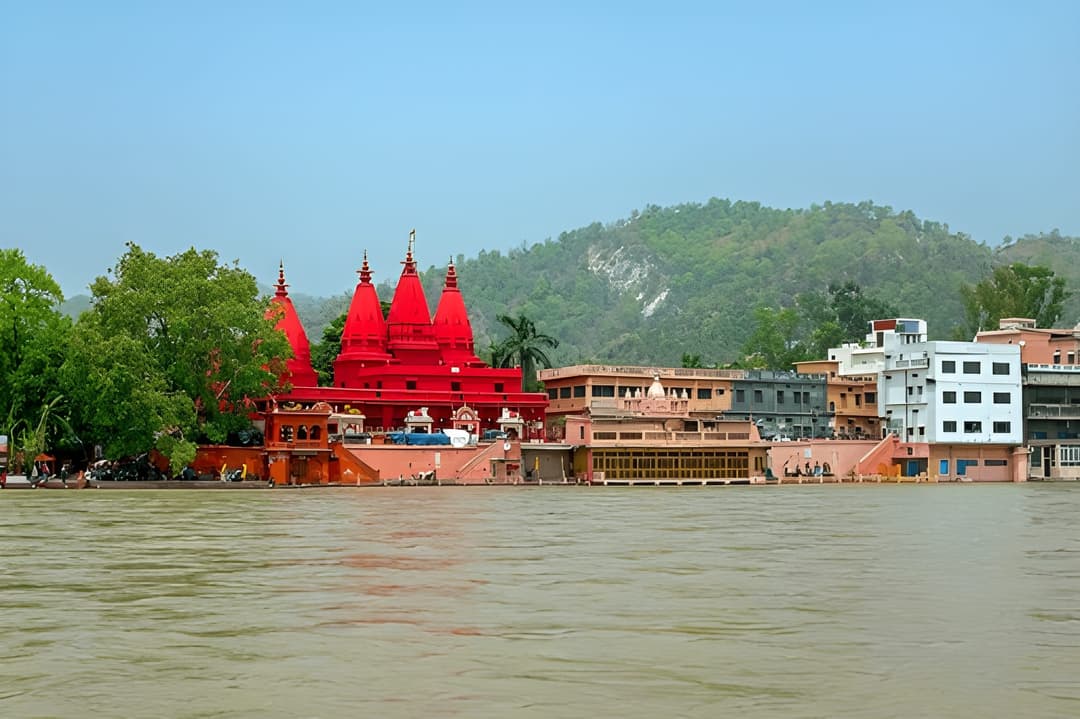
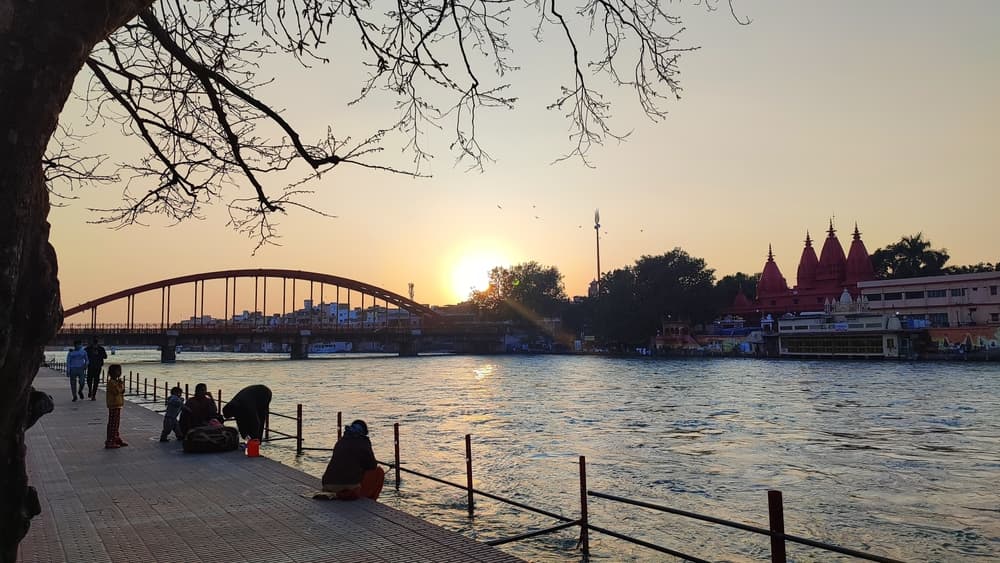
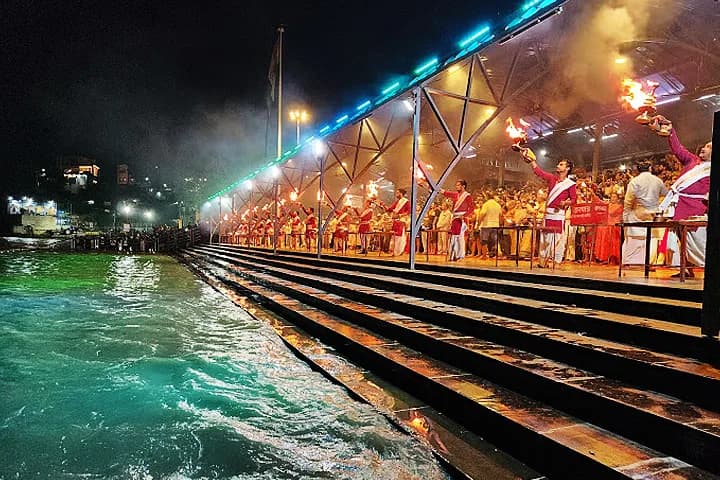
Triveni Ghat at sunset. The aarti flames reflected in the moving water, the bells, the crowd gathered without any of the managed-event quality that larger ceremonies carry. This is the Rishikesh moment that doesn't photograph adequately and that people describe for years after returning.
The rafting on the upper stretches, from Shivpuri or Marine Drive, depending on the grade preferred, puts the same river in a completely different register. White water, the canyon walls above, the sequence of rapids that the guides know by name. The same water that runs past the ghat is working considerably harder twelve kilometres upstream.
The yoga centres and ashrams that built Rishikesh's international reputation are concentrated in the Laxman Jhula area, Parmarth Niketan visible from the eastern bank, the smaller ashrams and practice centres accessible on foot through the lanes above the river.
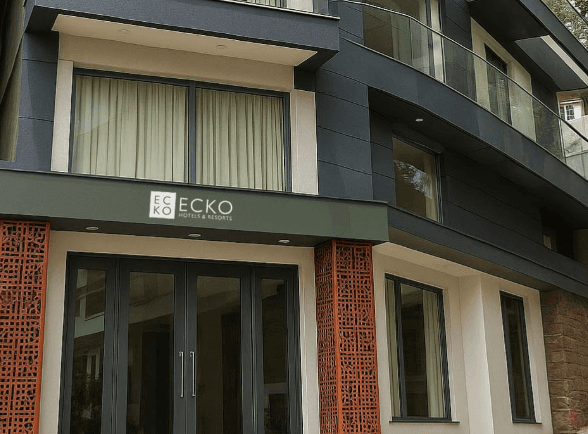
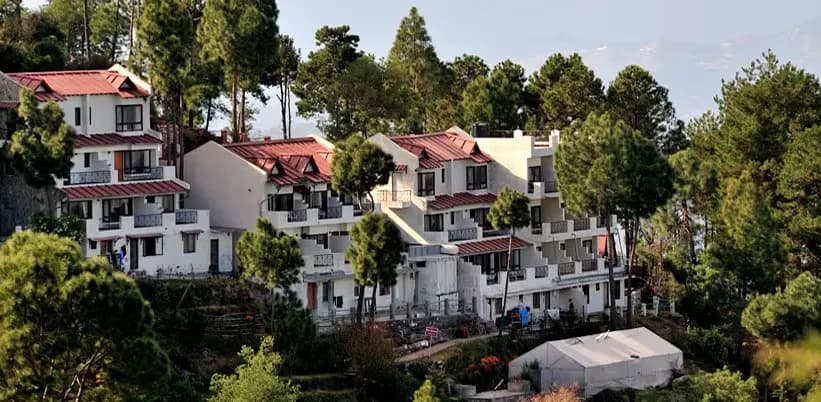
ECKO City Center, Rishikesh: The Right Base
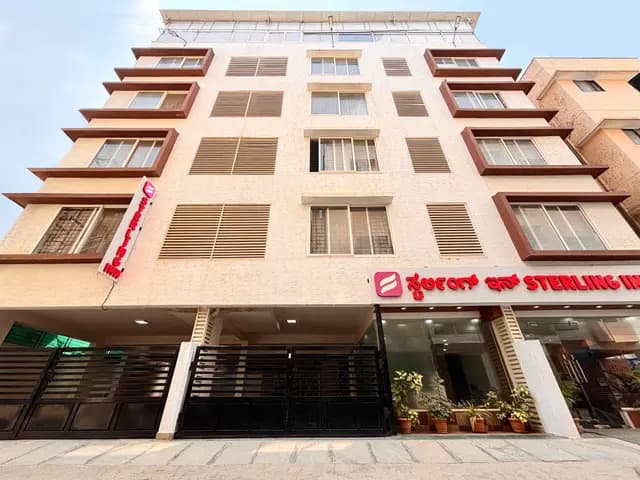
On Laxman Jhula Road. Walking distance from the bridge, ten minutes on foot. Ram Jhula fifteen to twenty minutes. Parmarth Niketan accessible without a vehicle. Rajaji National Park nearby for the wildlife detour that Rishikesh's adventure circuit doesn't always include. Jolly Grant Airport roughly 65 minutes out.
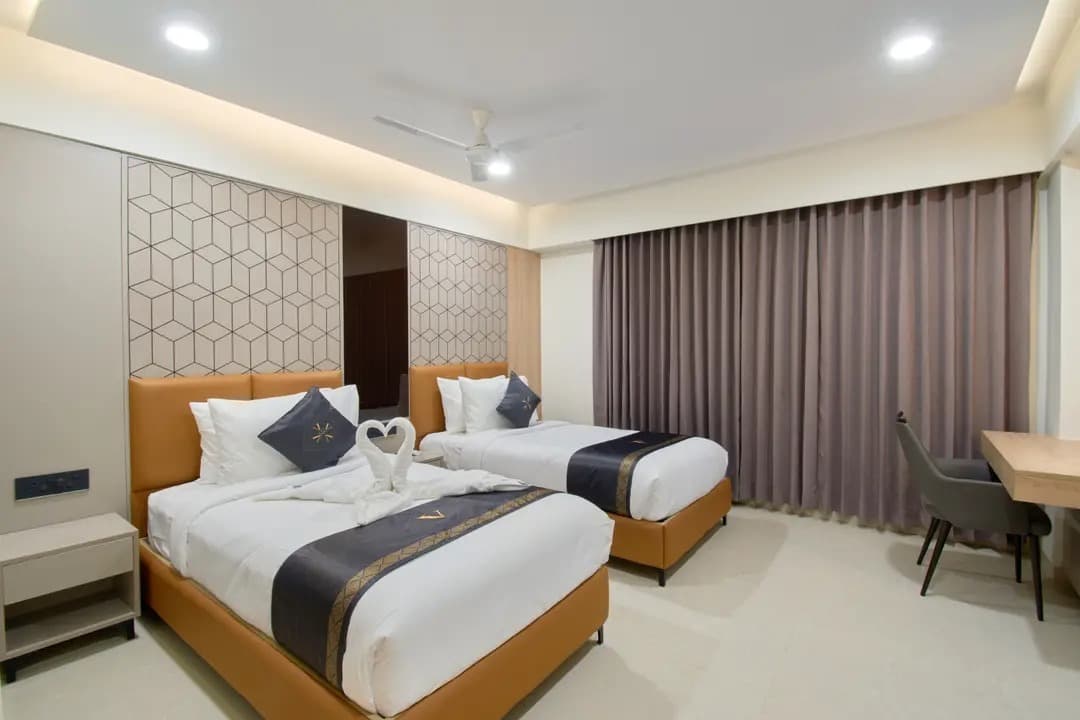
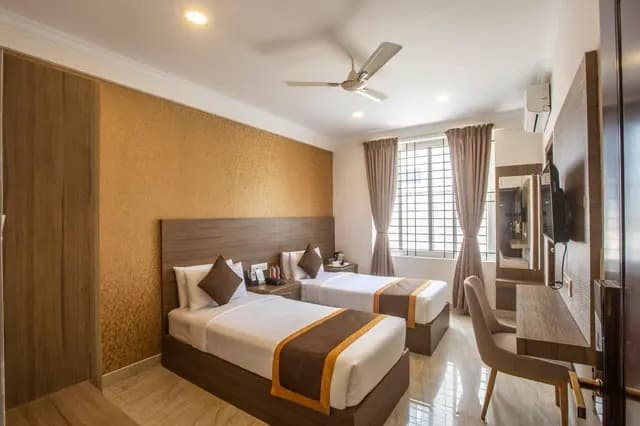
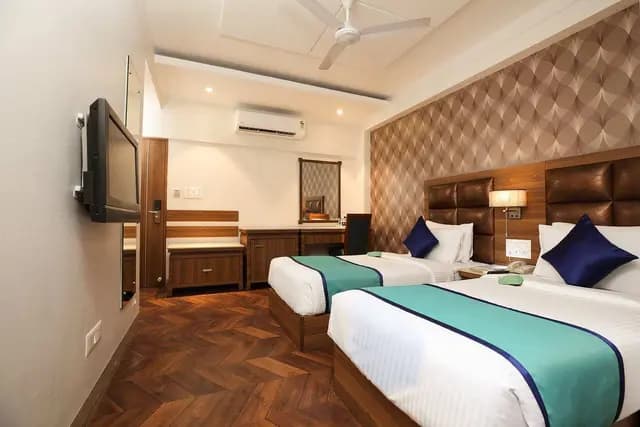
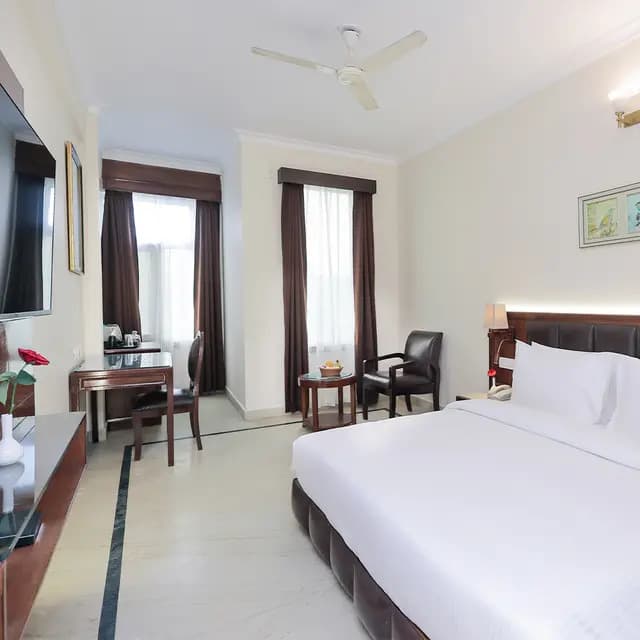
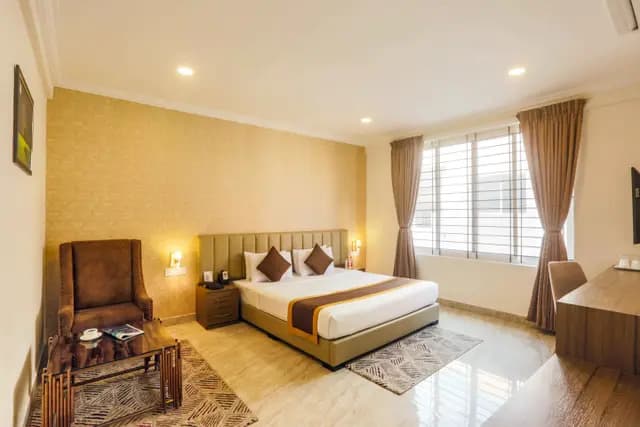
28 to 35 rooms across categories that cover the range of what Rishikesh travellers actually need:
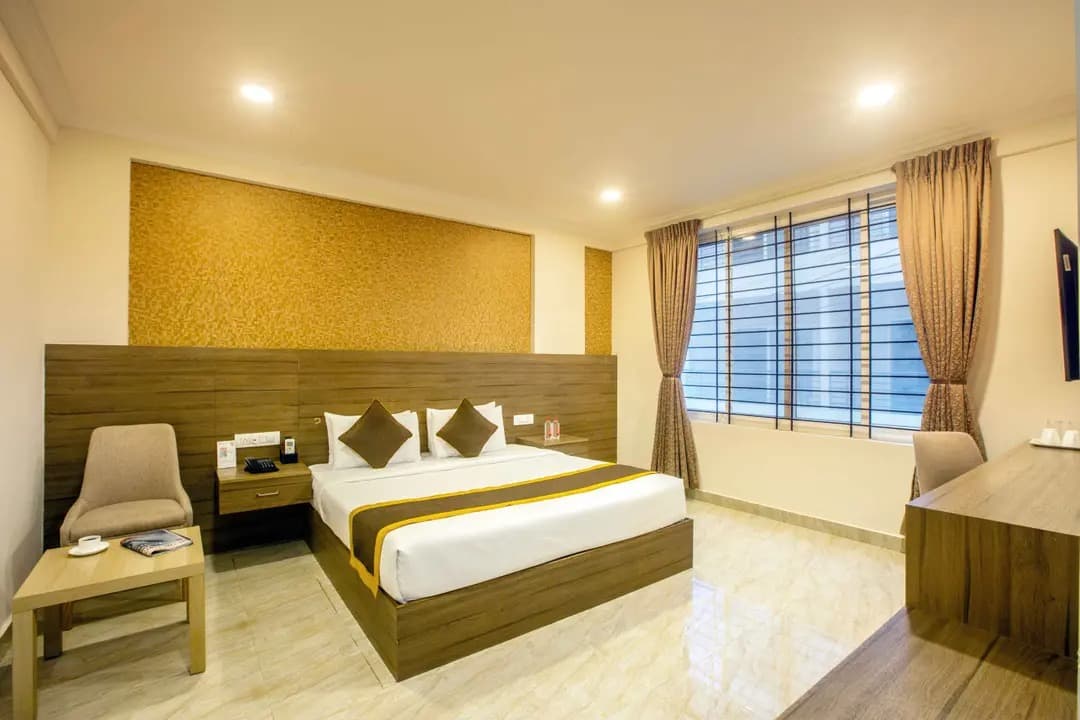
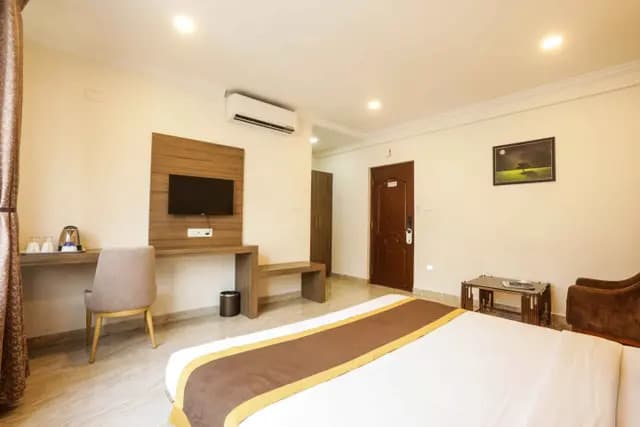
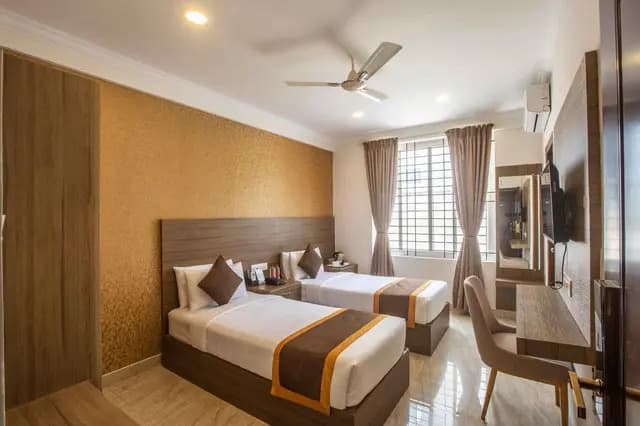
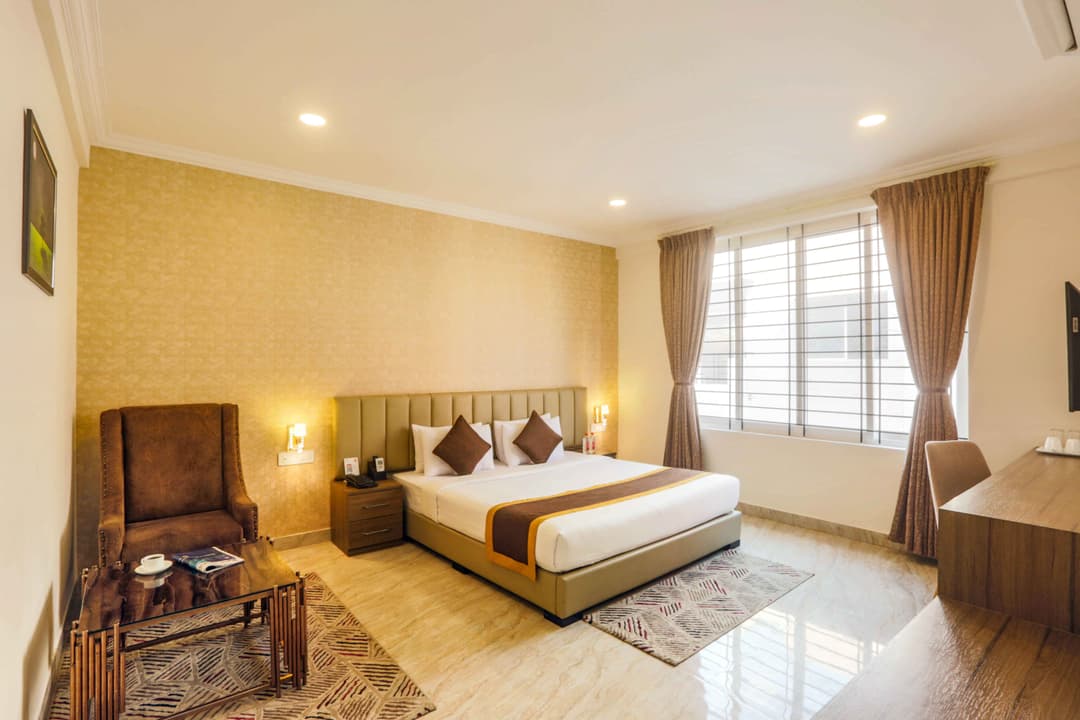
- Deluxe Room: Approximately 220 sq ft, the functional base for the active Rishikesh schedule
- Executive Room: The step up for the traveller who needs work infrastructure alongside the spiritual programme
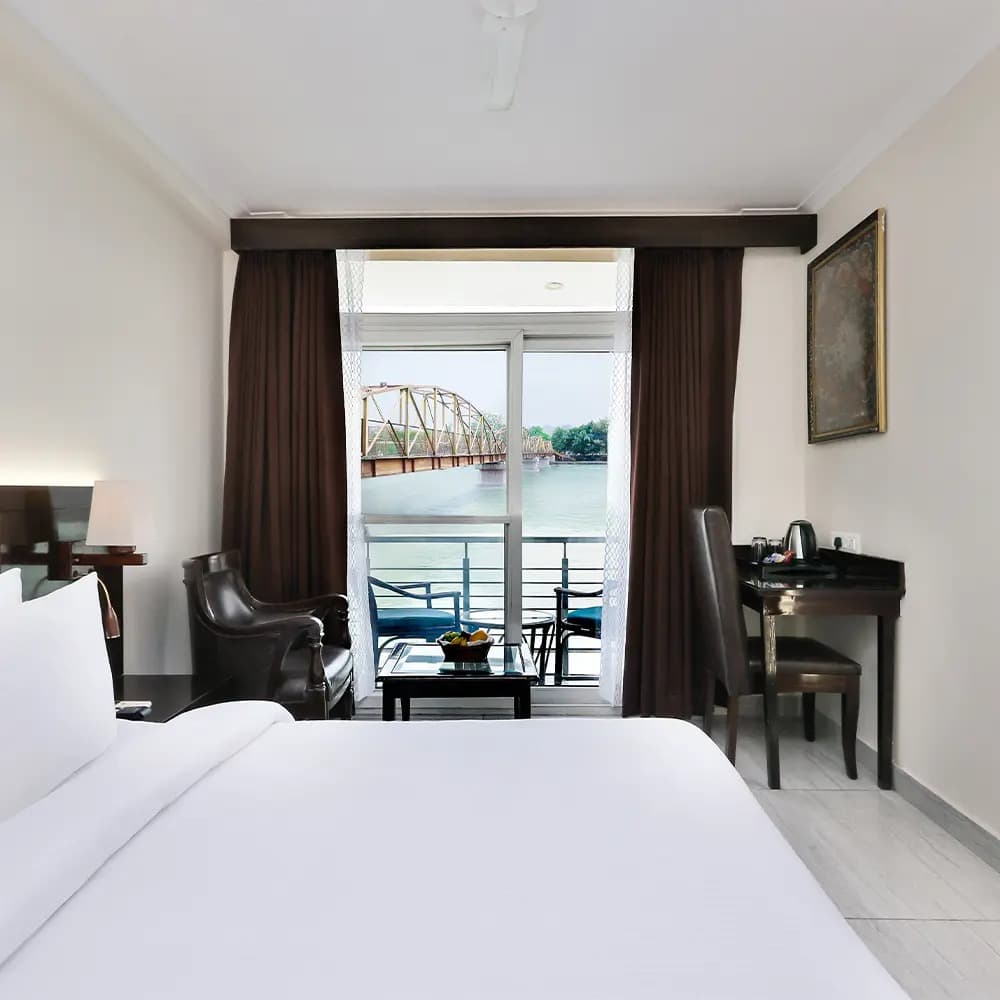
- Premium Room: Mountain and city views, the category where the location starts showing through the window properly
- Premium Suite: Separate living area, the extended stay or the couple's trip that warrants more space
- Luxury Suite: Bathtub, the largest category, for the trip that balances the demanding yoga schedule with the occasional afternoon of genuine indulgence
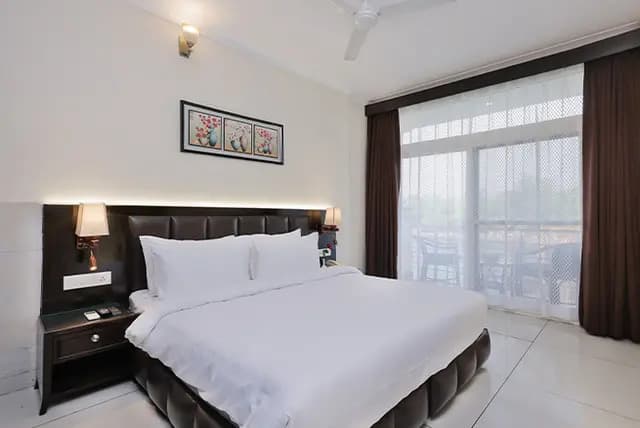
Every room comes with AC, work desk, flat-screen TV, modern bathroom with toiletries, and 24-hour room service. The laptop-friendly setup matters for the traveller whose Rishikesh trip is a working retreat rather than a pure holiday, the increasingly common format where the morning yoga session and the afternoon call coexist.
The Rooftop, the Detail Worth Noting
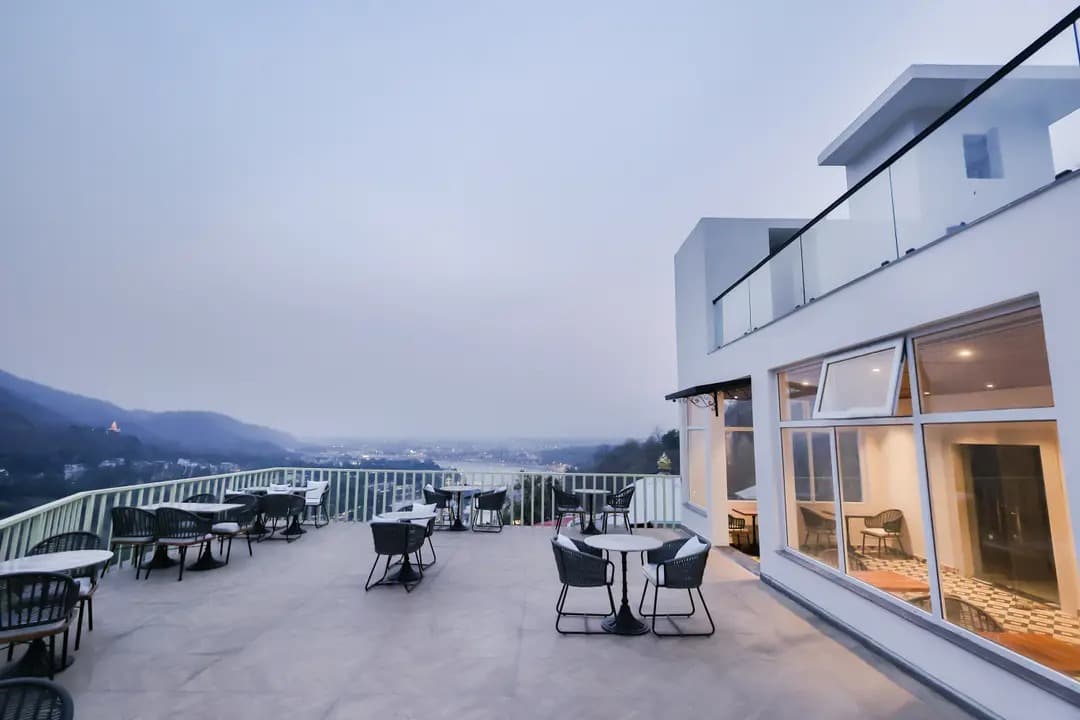
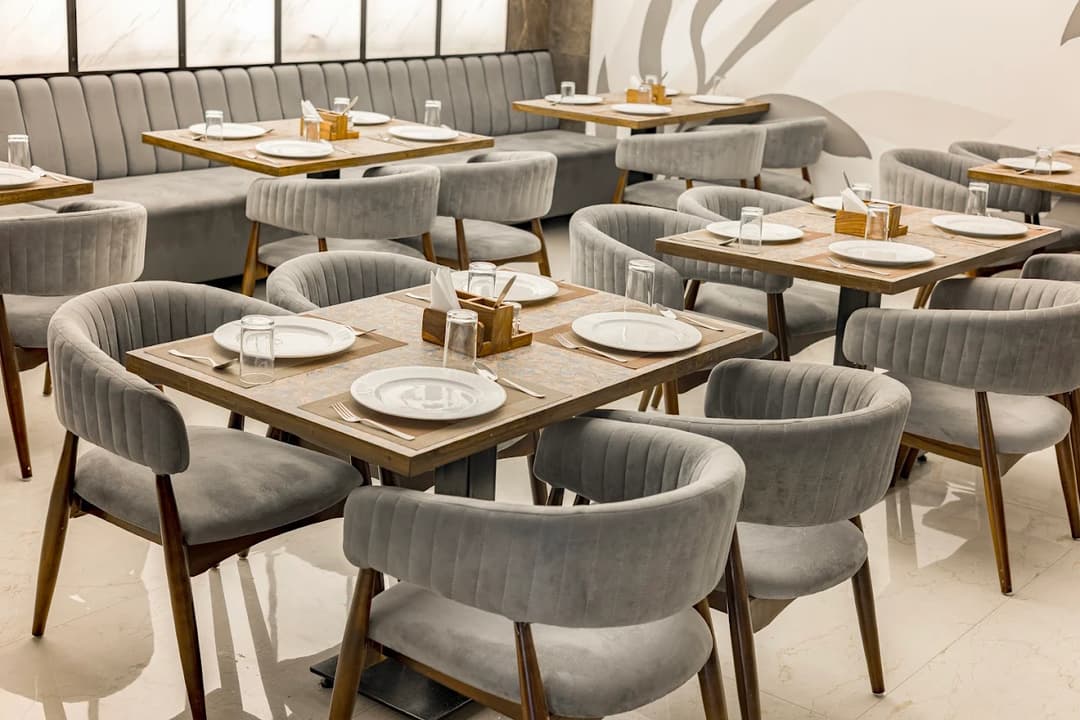
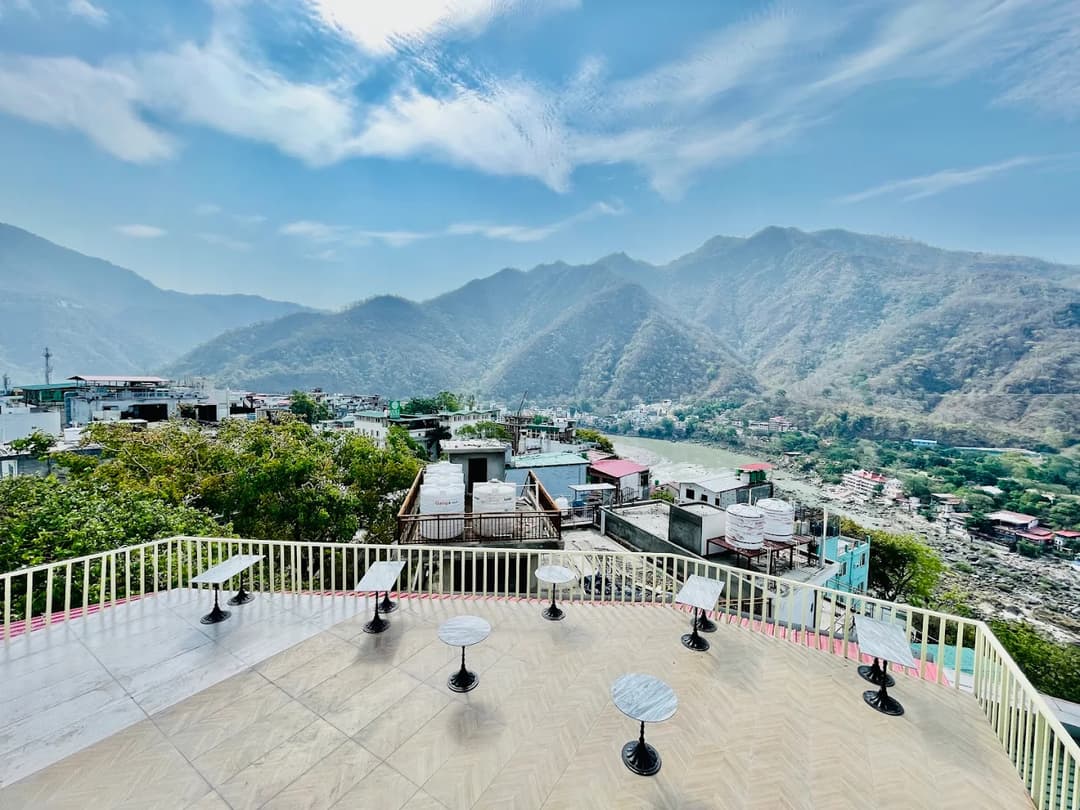
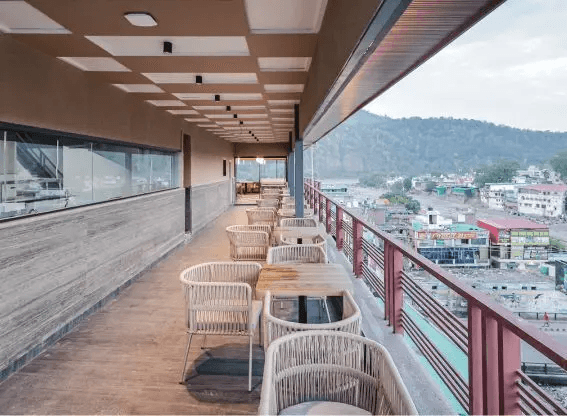
The in-house restaurant and rooftop café handle Pan-Indian and global cuisines across buffet and à la carte formats. The rooftop is the specific reason guests mention the dining — the mountain and cityscape views that arrive alongside the meal rather than as a separate experience. 24-hour in-room dining for the schedule that doesn't align with standard service hours, which in Rishikesh is most schedules.
Everything Else:
- Free WiFi across the property
- Free parking, relevant in Laxman Jhula where parking is a solved problem at some properties and an unsolved one at most
- Laundry, 24-hour front desk, snack bar, sun terrace
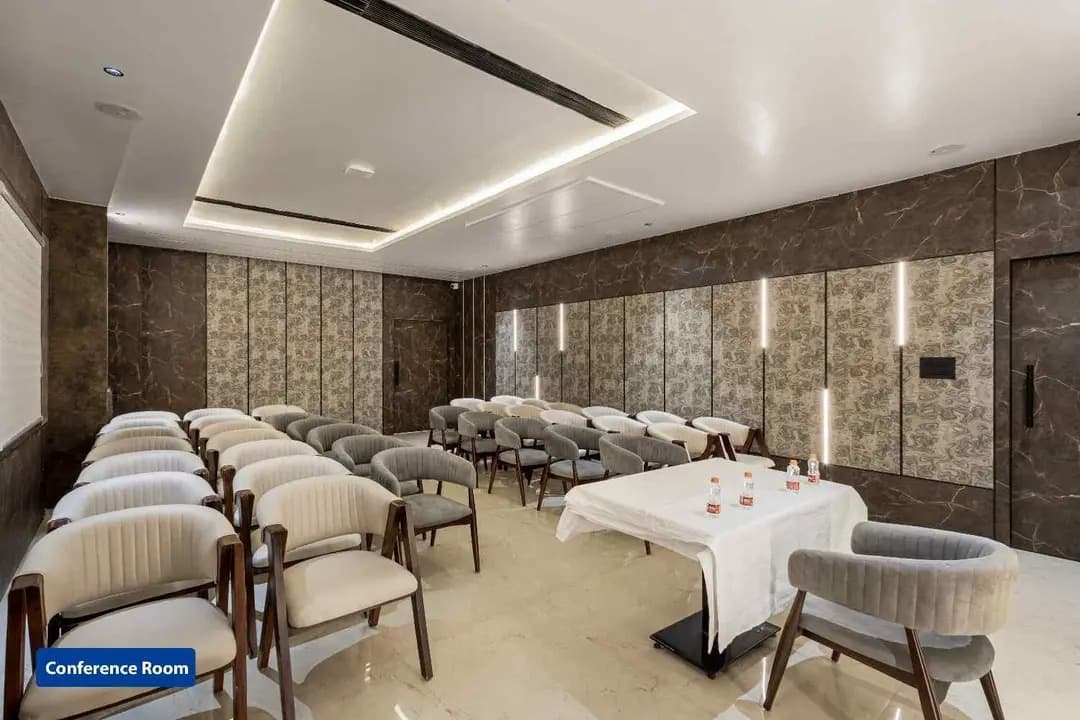
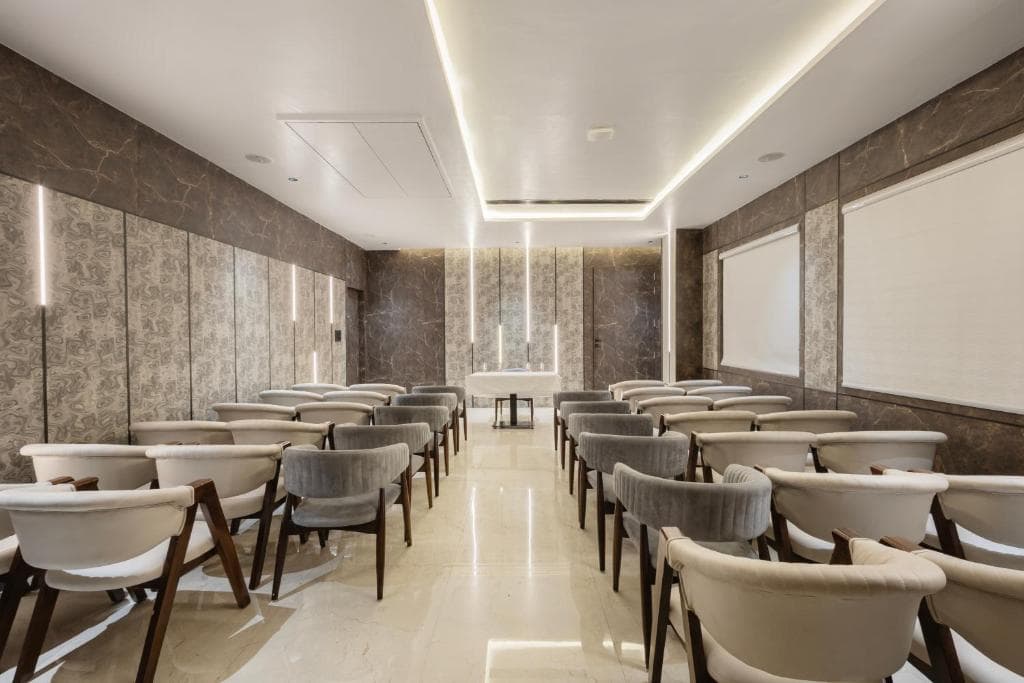
- Ballroom, boardroom, and rooftop event area for destination weddings, corporate offsites, and social gatherings, one of the few central Rishikesh properties with genuine event infrastructure
What's Around: The Circuit from the Door
- Laxman Jhula: The suspension bridge, the eastern bank temples, the cafés on the lanes above the river. Ten minutes walk.
- Ram Jhula: The larger bridge, the western bank access, Parmarth Niketan's evening aarti visible from the bridge itself. Fifteen to twenty minutes.
- Triveni Ghat: The sunset aarti, the most authentic ghat experience in Rishikesh, worth building the evening around specifically.
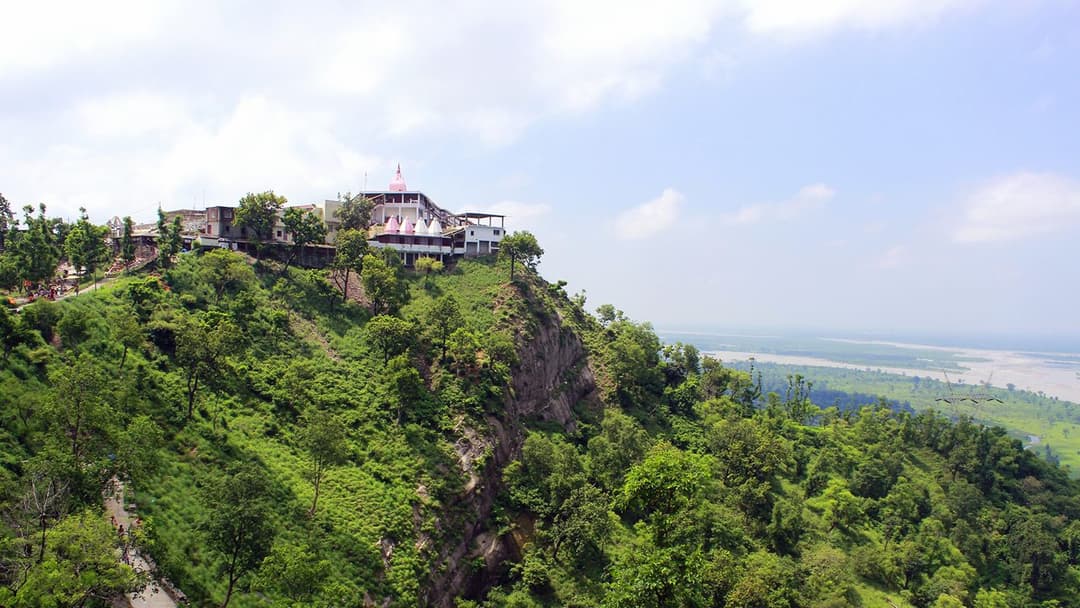
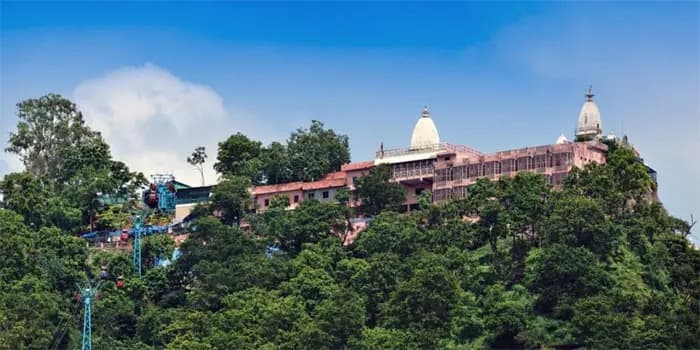
- Neelkanth Mahadev Temple: 32 kilometres into the Narayan Parvat range, the mountain temple that requires actual effort to reach and rewards it proportionally.
- Rajaji National Park: The wildlife reserve adjacent to Rishikesh that most visitors don't allocate time for and most guides consistently recommend. Elephants, leopards, the bird list of a riverine forest ecosystem.
- Rafting launch points: Shivpuri and Marine Drive, accessible by road for the morning rafting session that fits between breakfast and the afternoon yoga class without requiring the kind of planning that makes the activity feel like an expedition.
The Water, the Bridge, the Room
Riverside hotels in Rishikesh that sit within the Laxman Jhula zone remove the friction that turns a Rishikesh trip into a logistics exercise. The aarti is walkable. The rafting shuttle picks up from the road outside. The yoga centre is in the lane above. The Ganga is audible from the room.
ECKO City Center, Rishikesh handles the accommodation end of that equation, rooftop views, proper room categories, event infrastructure, the Laxman Jhula location that makes the river accessible rather than aspirational.
Theriverside hotels in Rishikesh conversation ends where the water begins. Book the hotel that sits closest to both.